The Japanese Tattoo: Fights and Fires are the Flowers of Edo, by Manami Okazaki.
I’m delighted to have these two images in a new book just released, ‘The Japanese Tattoo: Fights and Fires are the Flowers of Edo’, authored by journalist par excellence and friend in Japan, Manami Okazaki (you wanna know Japanese subcultures, drop her a note!), and published by Prestel Publishing.
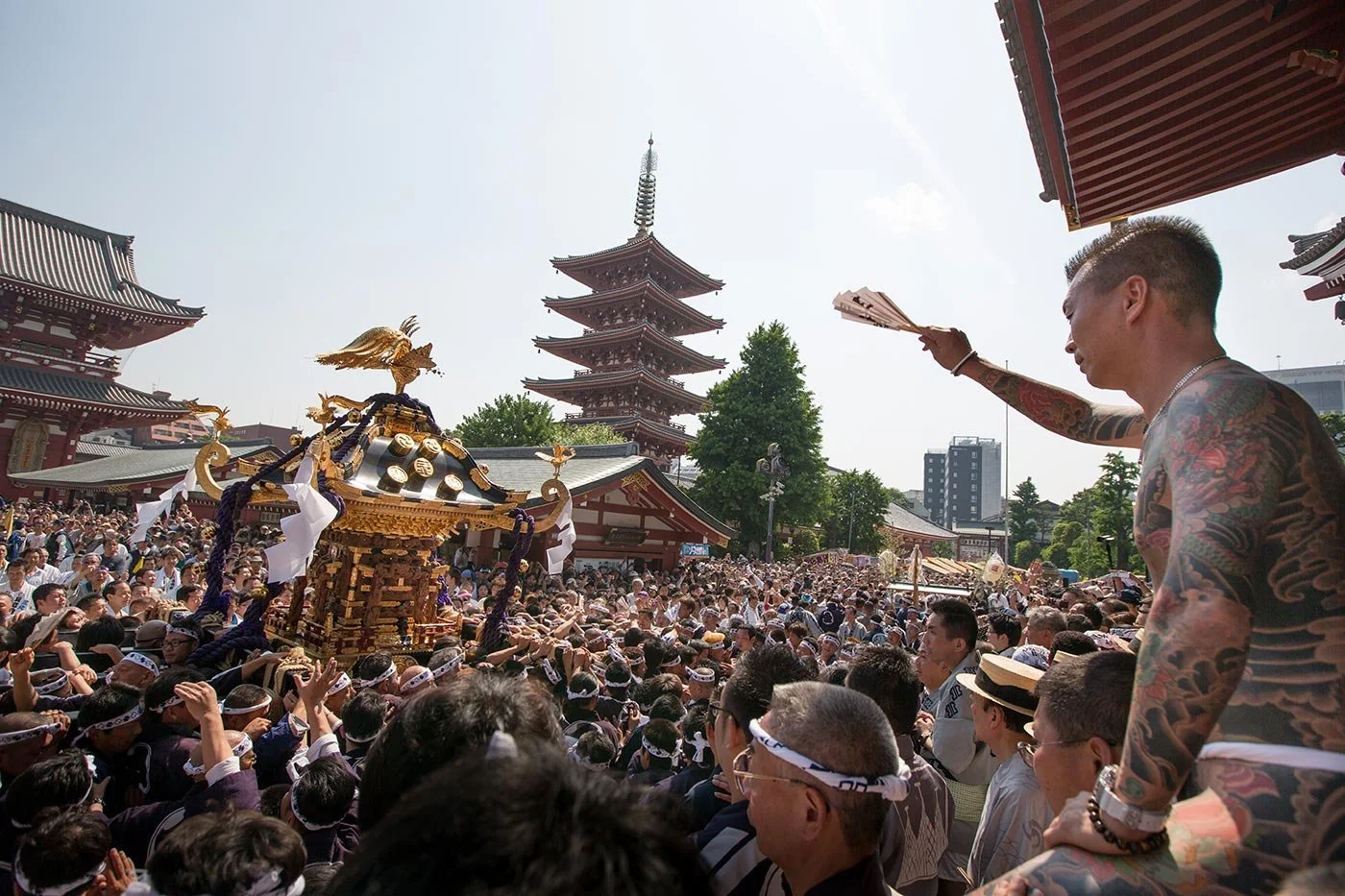
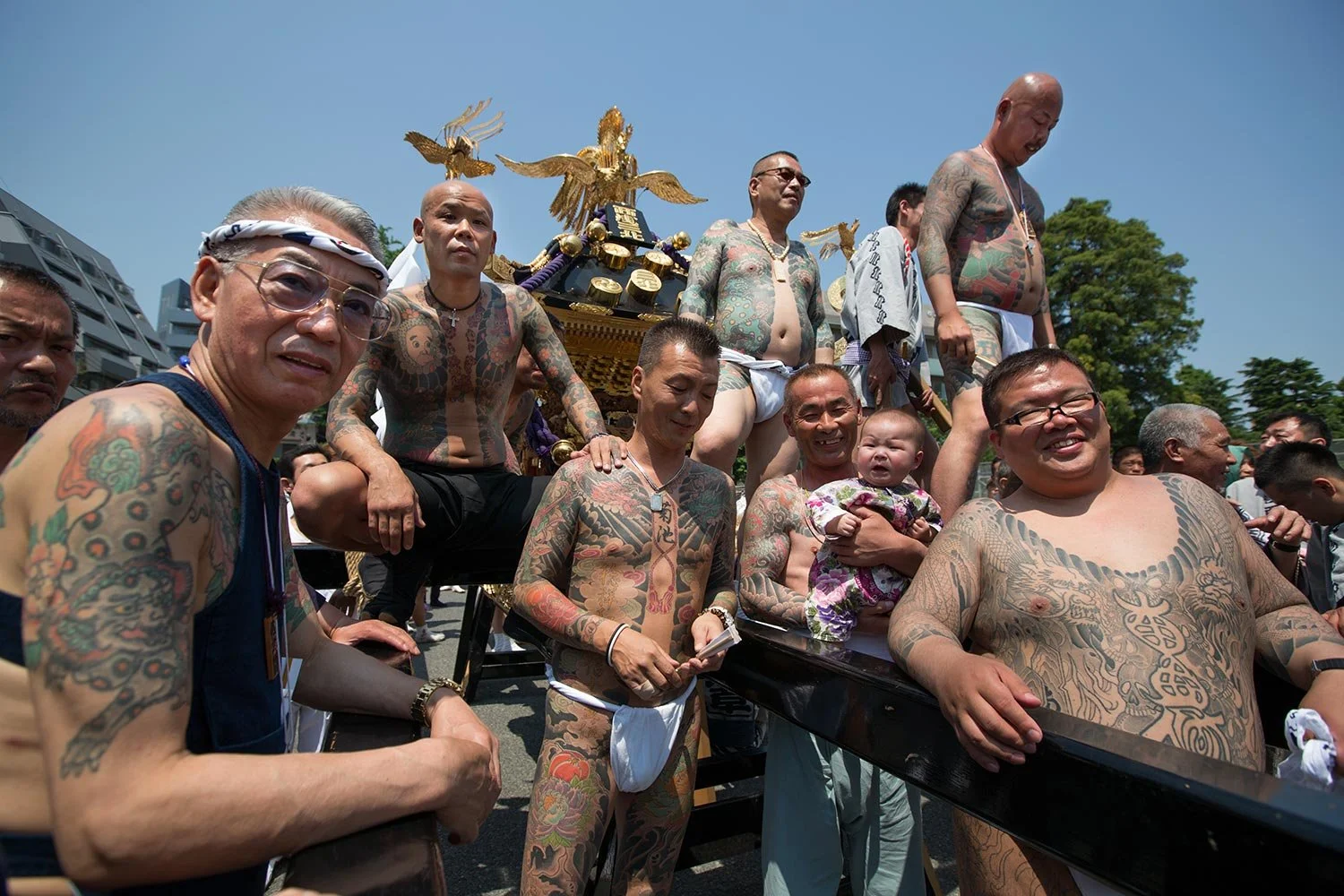
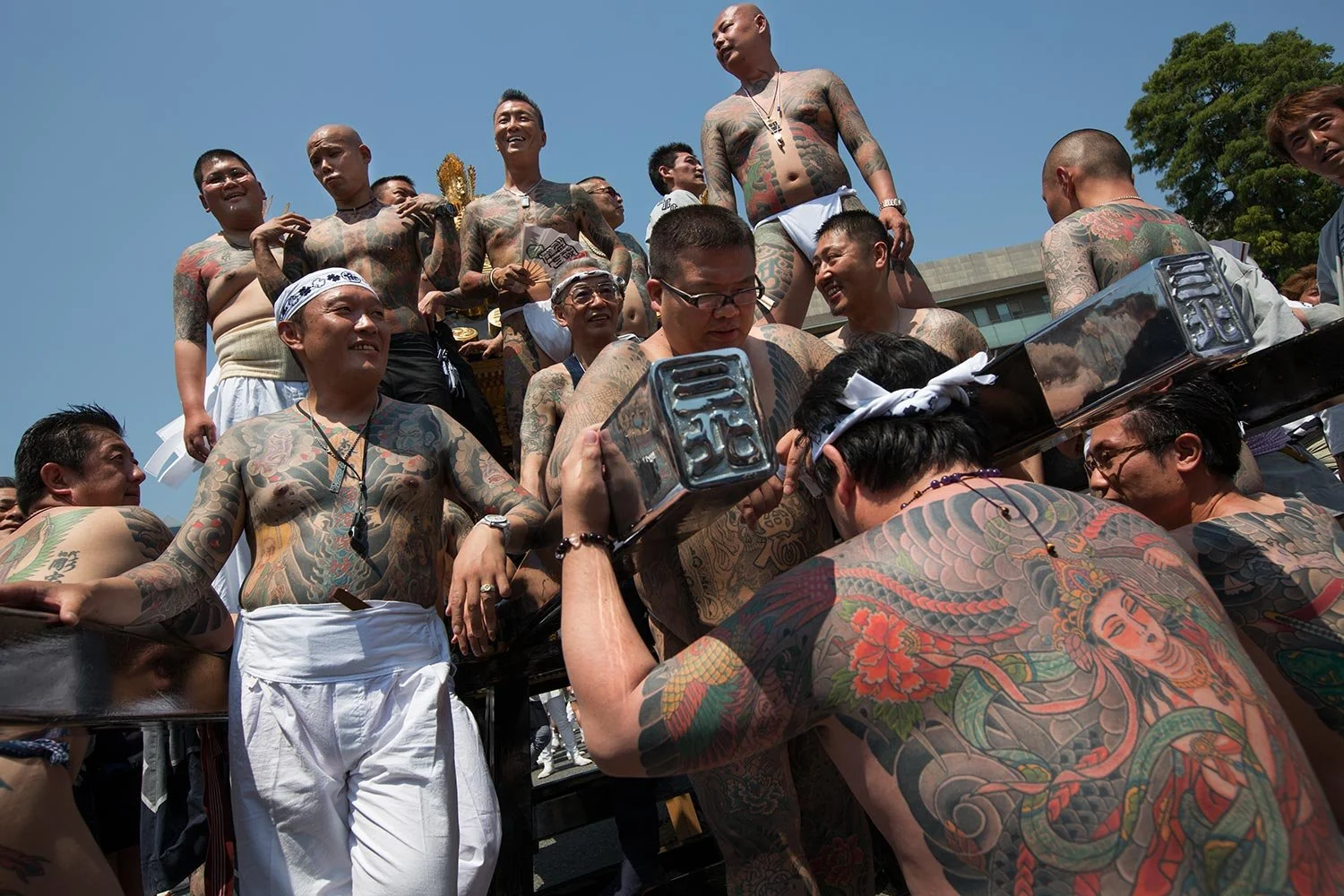
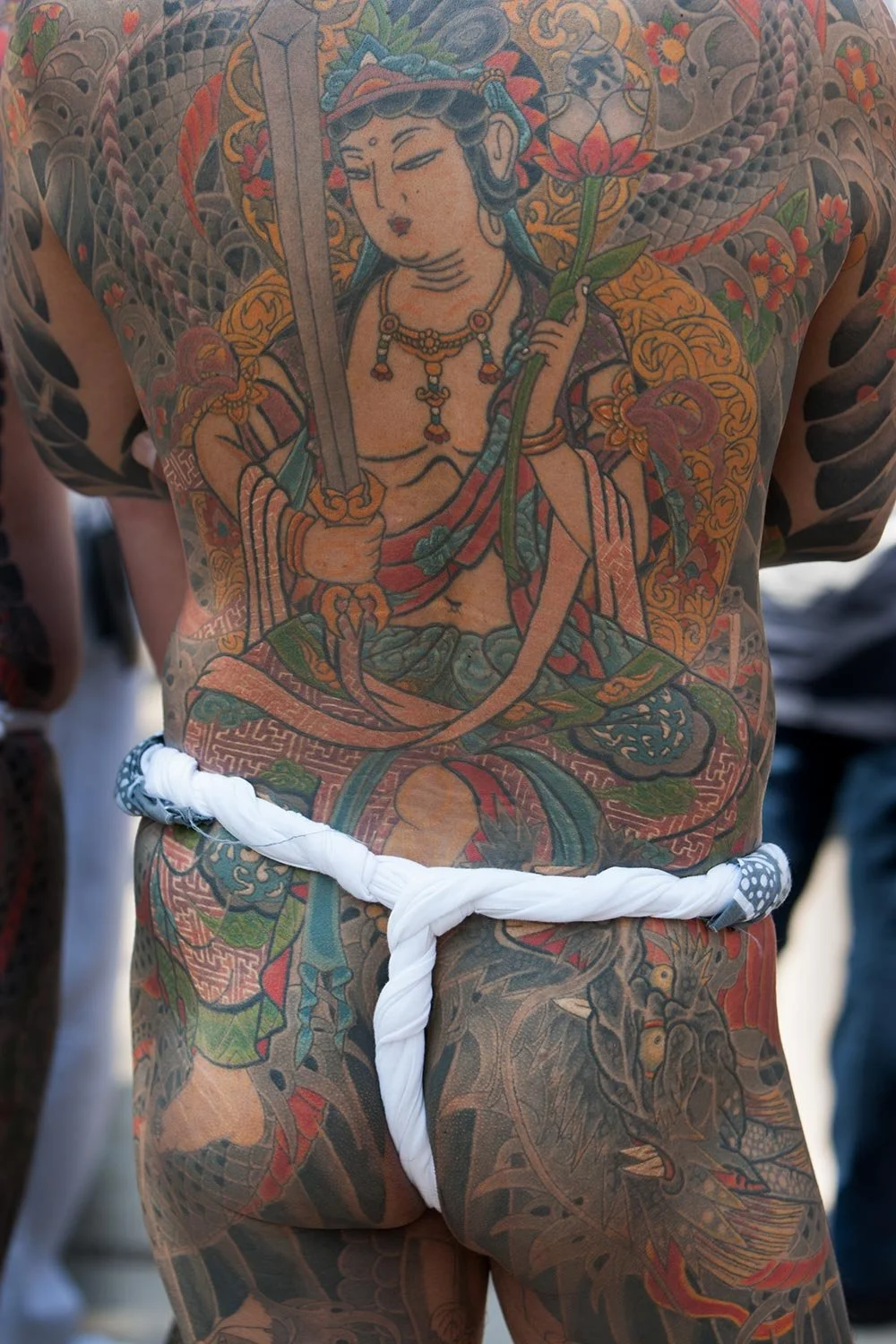
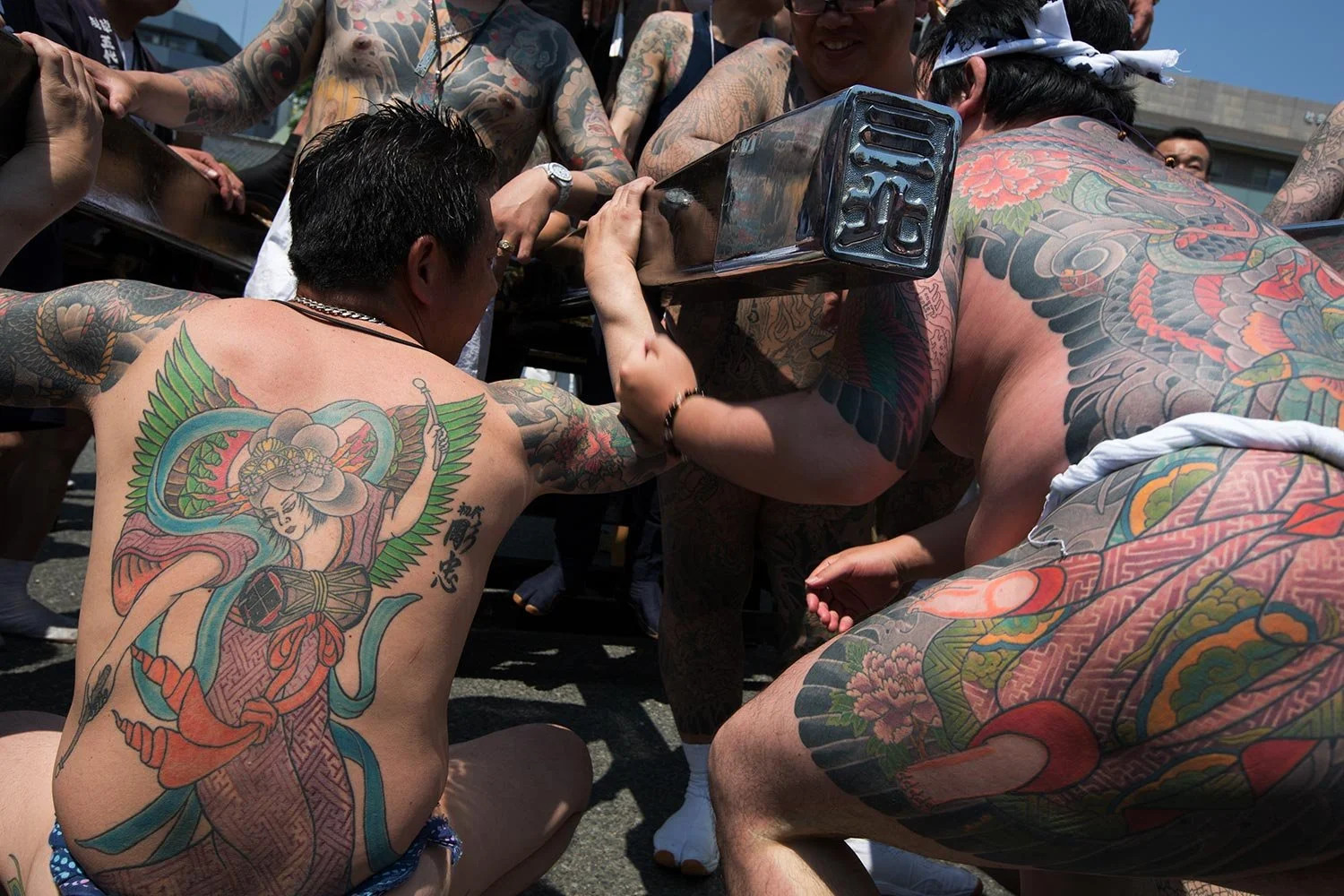
Members of the Takahashi-gumi Japanese yakuza syndicate carry their mikoshi portable shrine through the grounds of Asakusa Shrine in Asakusa district, before carrying it through the streets as part of the 2nd day of the Sanja festival, in Asakusa, Tokyo, Japan, 2012. ©Jeremy Sutton-Hibbert 2026, All rights reserved.
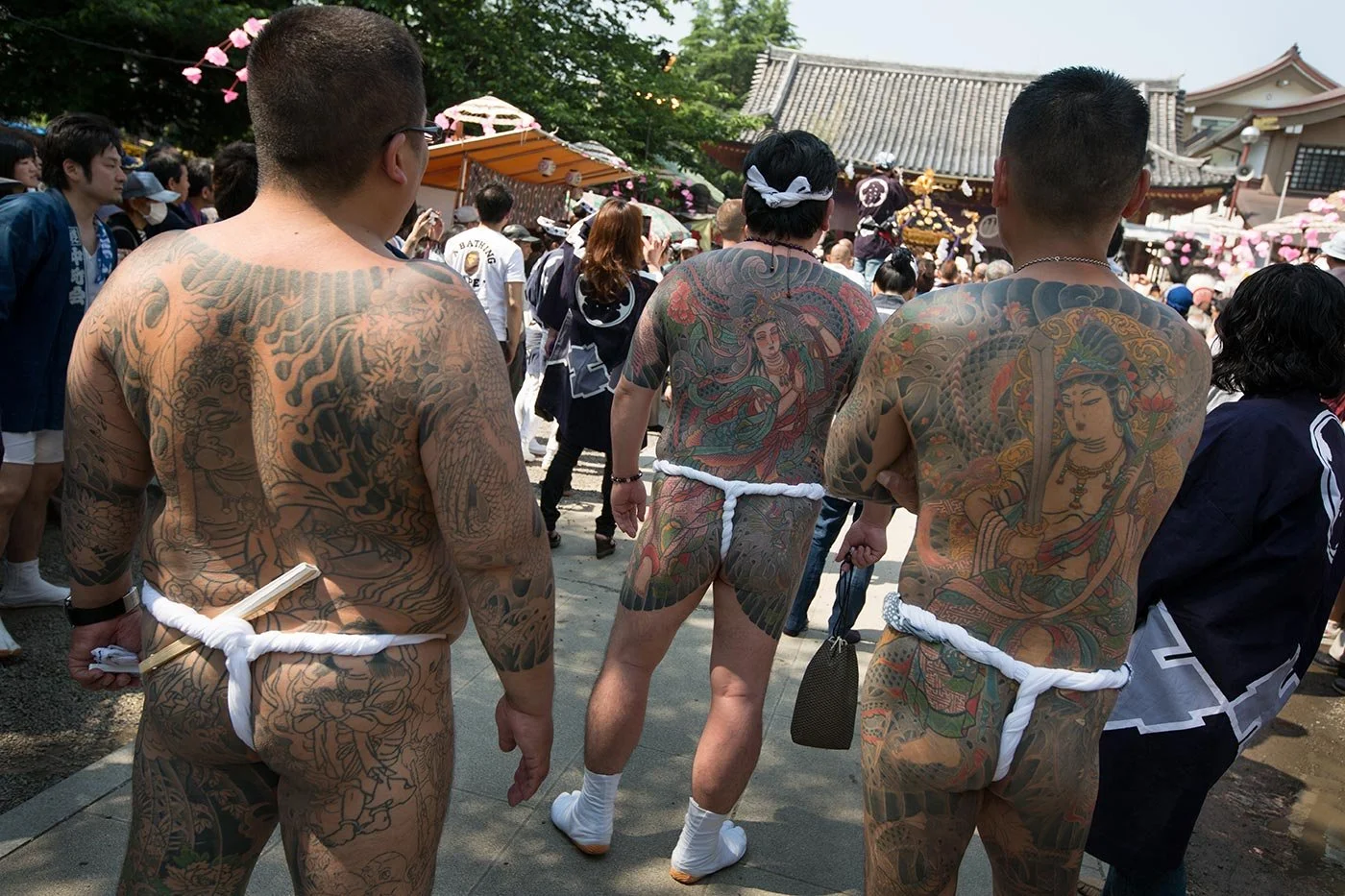
Members of the Takahashi-gumi Japanese yakuza syndicate carry their mikoshi portable shrine through the grounds of Asakusa Shrine in Asakusa district, before carrying it through the streets as part of the 2nd day of the Sanja festival, in Asakusa, Tokyo, Japan, 2012. ©Jeremy Sutton-Hibbert 2026, All rights reserved.
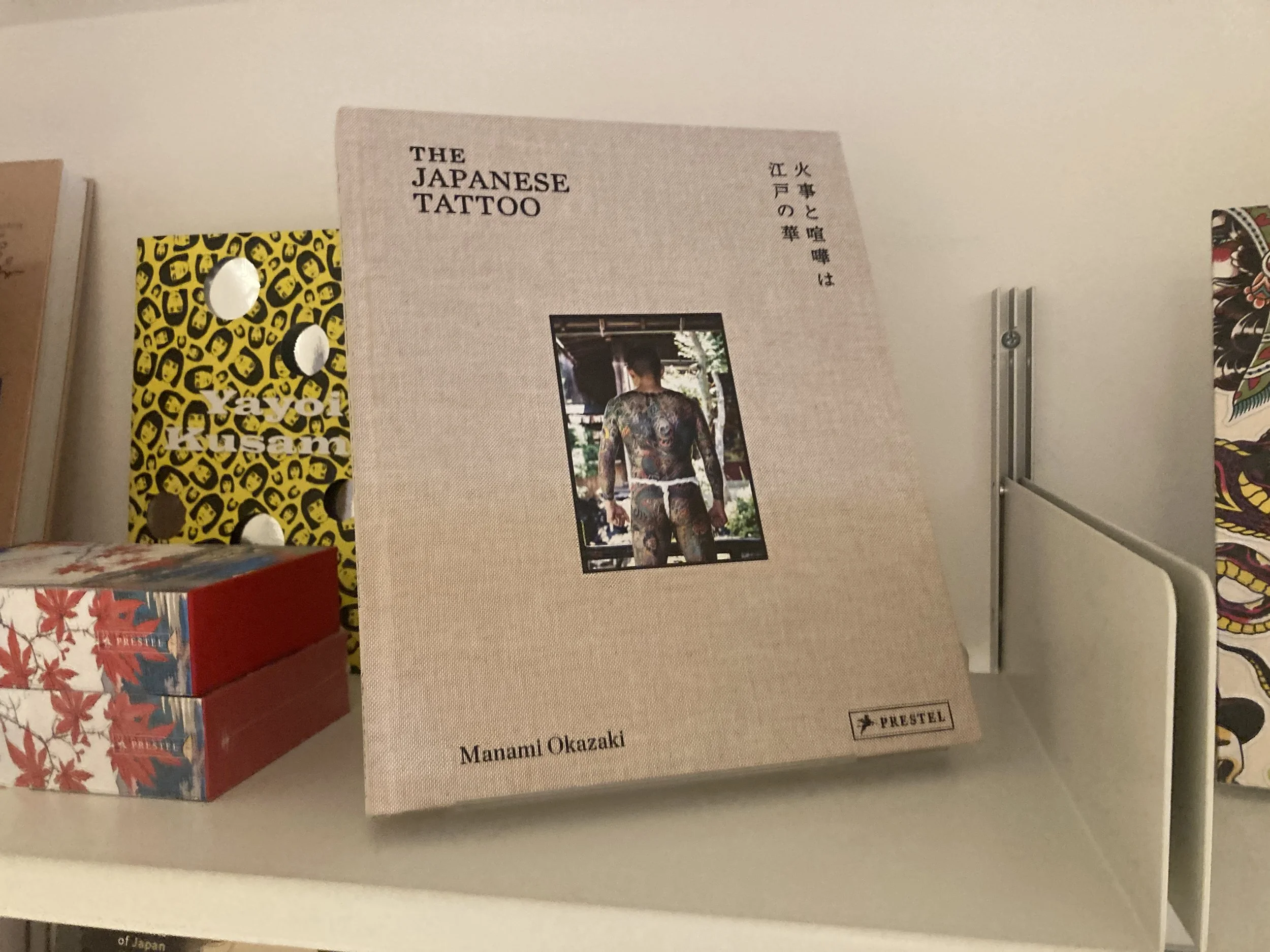
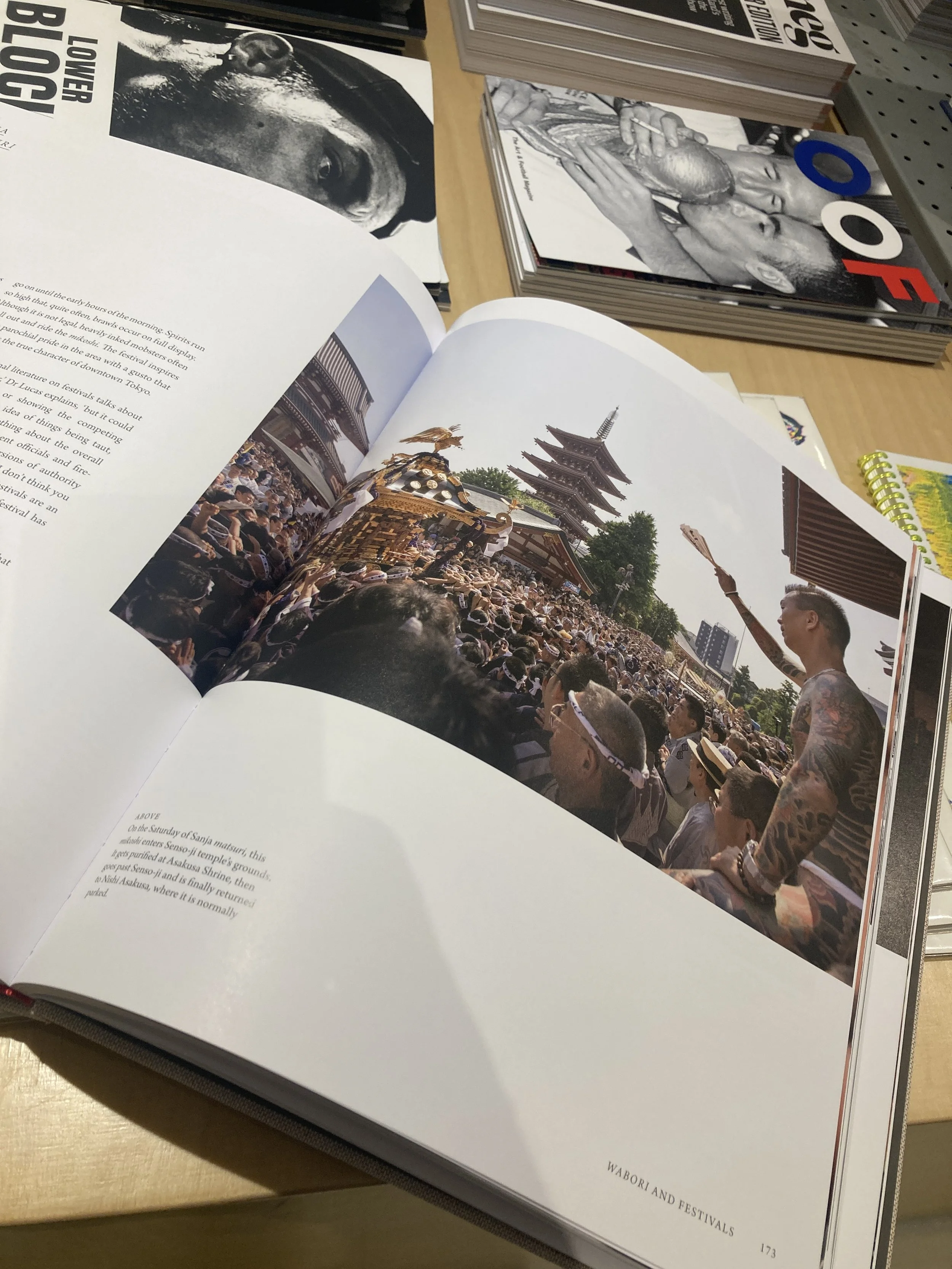
Above and below: ‘The Japanese Tattoo: Fights and Fires are the Flowers of Edo’, authored by journalist par excellence and friend in Japan, Manami Okazaki. Photographs © Jeremy Sutton-Hibbert 2026, all rights reserved.
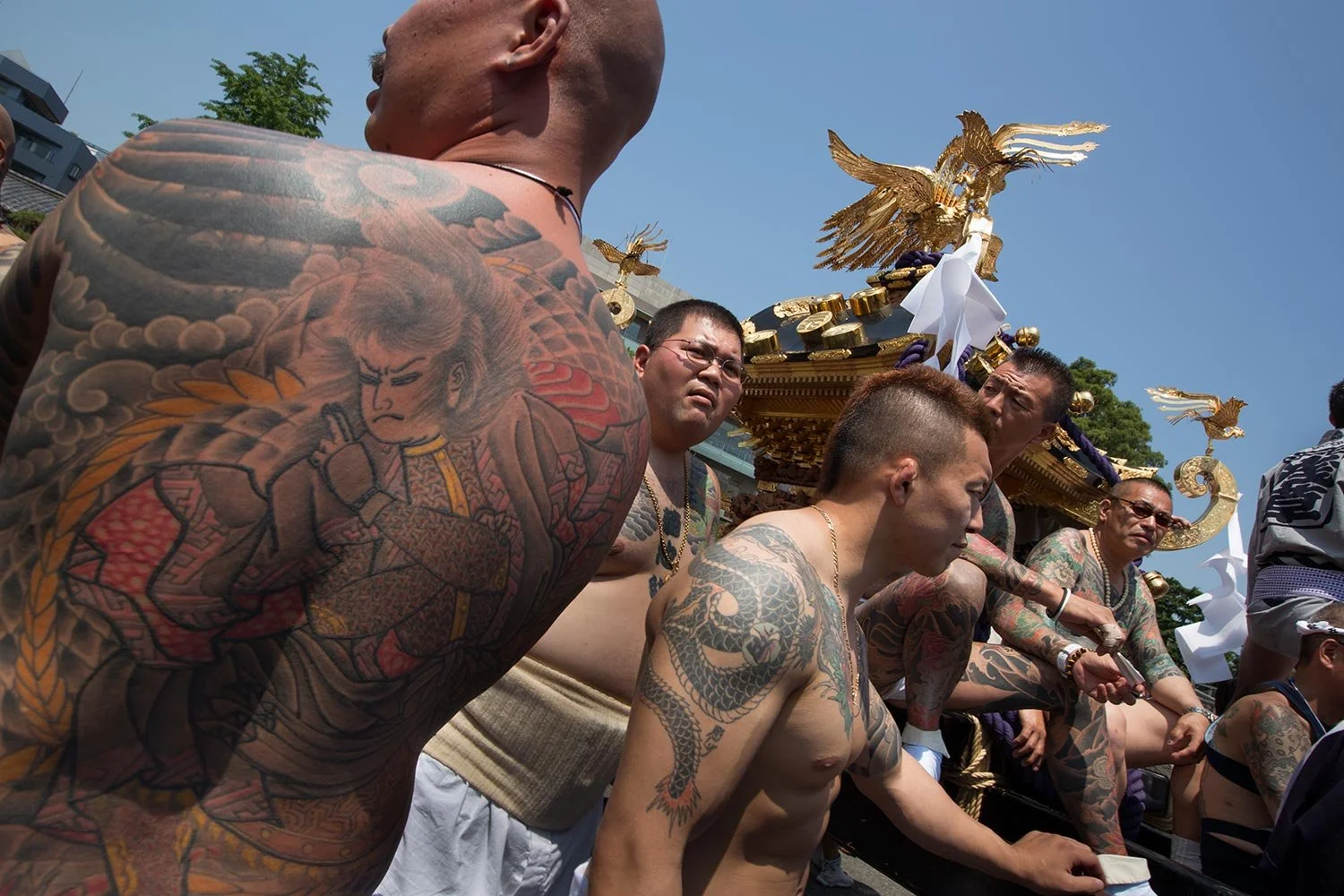
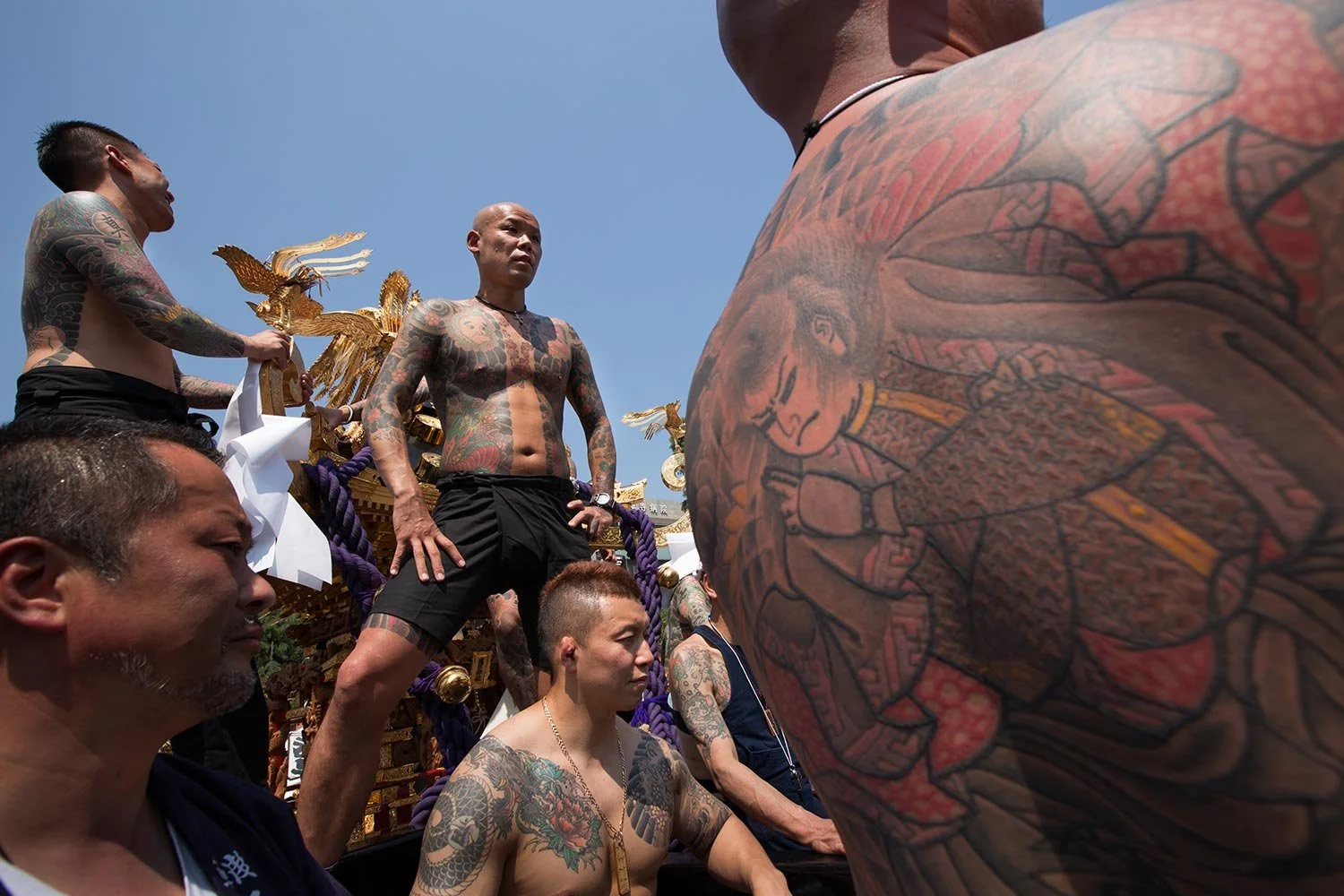
My two images in the book show members of the Takahashi-gumi Japanese yakuza syndicate carrying their mikoshi portable shrine through the grounds of Asakusa Senso-ji Shrine, before carrying it through the streets as part of the 2nd day of the Sanja festival, in Asakusa district, Tokyo, Japan, 2012.
Interestingly Manami-san told me recently that photographing within the Seno-ji shrine precincts is now restricted, and that the gentleman waving the fan in the top image above, has now taken over leadership of the Takahashi-gumi.
I received an email from the Takahashi-gumi recently, asking if they could have a copy of the photo below (centre pic, top row in grid), saying “it’s my baby, he’s so cute”. Which made me smile.

The Japanese Tattoo: Fights and Fires are the Flowers of Edo
“This illuminating study of Japan's storied tattoo tradition explores a visual language where meaning, mastery, and myth converge.
Japanese tattoos are among the world’s most powerful forms of body art—visually bold, spiritually resonant, and deeply rooted in cultural tradition. In this richly illustrated and deeply informed study, author and journalist Manami Okazaki offers rare access to the country’s tattoo masters, exploring their philosophies, apprenticeships, and creative processes. Each design centers on mythological, religious, or folkloric figures that are embellished with seasonal motifs such as cherry blossoms, plus include dramatic backgrounds like waves that reflect balance, symbolism, and emotional depth. For many artists, the psychological and spiritual dimensions are as vital as the technique itself. Through interviews, new photography, and archival images,
Okazaki traces the evolution of Japanese tattooing—from Edo-period society to contemporary underworld communities—while capturing its enduring connection to downtown Tokyo’s fire brigades, festivals, and working-class pride. In addition to its cultural insight, the book is a superb visual reference, featuring high-quality images ideal for tattoo artists and collectors seeking to study and emulate the Japanese style. Drawing on close relationships with multigenerational tattoo families, Okazaki offers an unprecedented portrait of a private, resilient art form—perfect for anyone captivated by the aesthetic and symbolism of Japanese ink.” - Prestel Publishing.
Hardcover, linen, 240 pages, 24,0 x 30,0 cm, 9.4 x 11.8 in, 220 colour illustrations
ISBN: 978-3-7913-9378-0
Manami Okazaki
Manami Okazaki has been covering Japanese tattooing, subcultures, and traditional arts for over two decades and is the author of several books. Her writing has appeared in publications such as The Japan Times, The Wall Street Journal, The Guardian, Lonely Planet, and Tempura Magazine, as well as many international tattoo magazines. She lives and works in Tokyo.
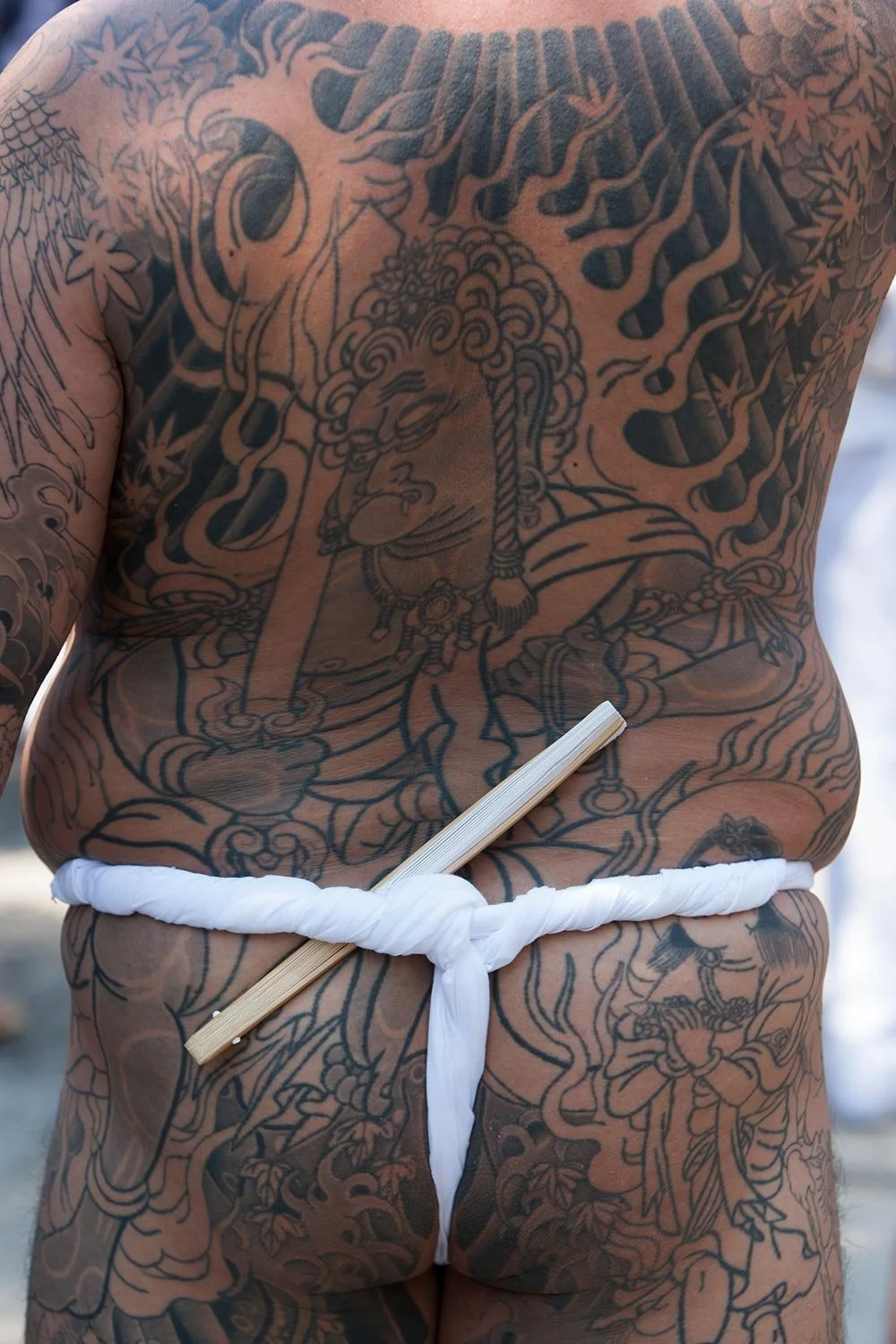
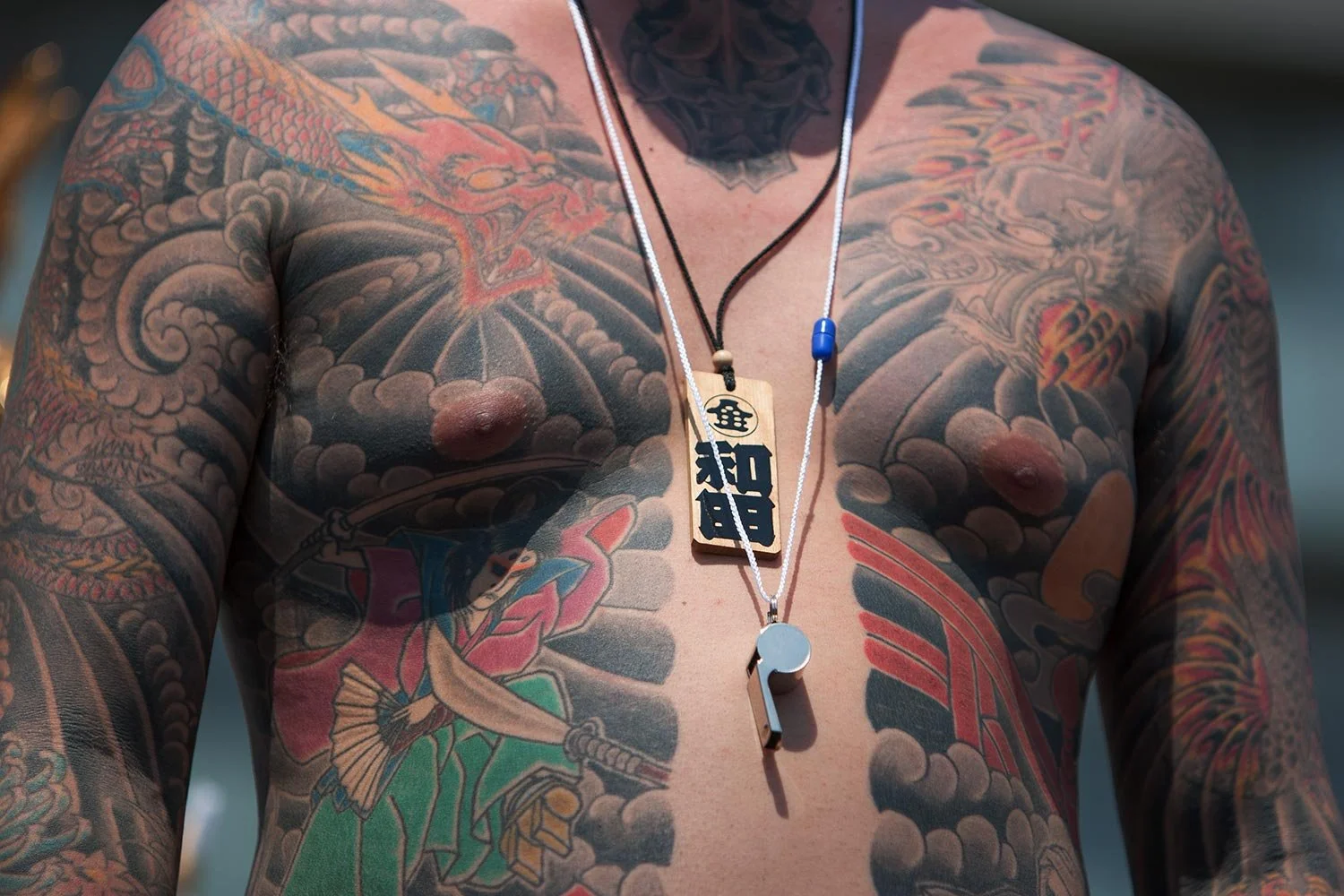
Images below are not within the above book, but show members of the Takahashi-gumi Japanese yakuza syndicate carrying their mikoshi portable shrine through the grounds of Asakusa Senso-ji Shrine, before carrying it through the streets as part of the 2nd day of the Sanja festival, in Asakusa district, Tokyo, Japan, 2012. © Jeremy Sutton-Hibbert 2026, all rights reserved.