*** DISCOUNTED ***
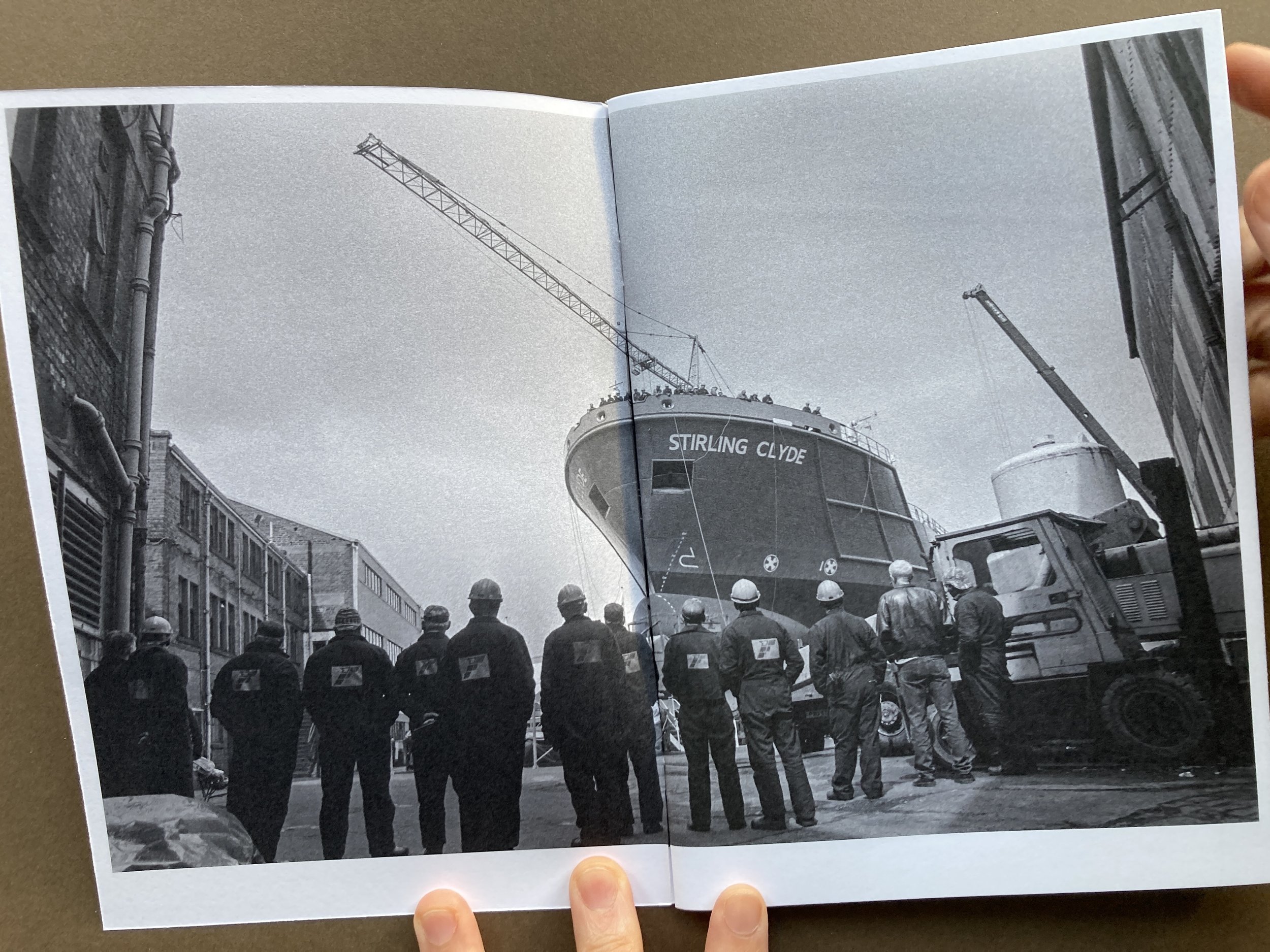
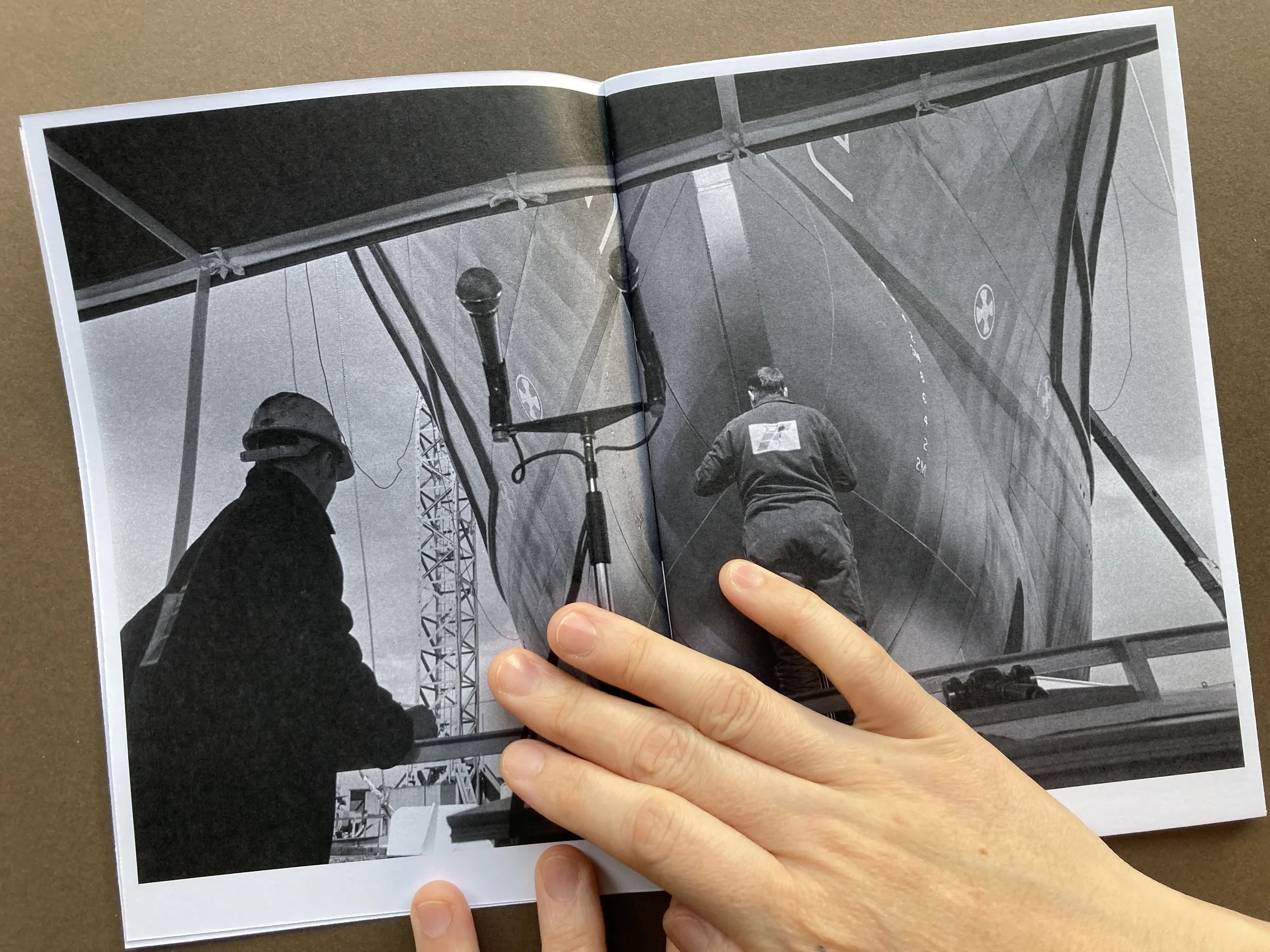
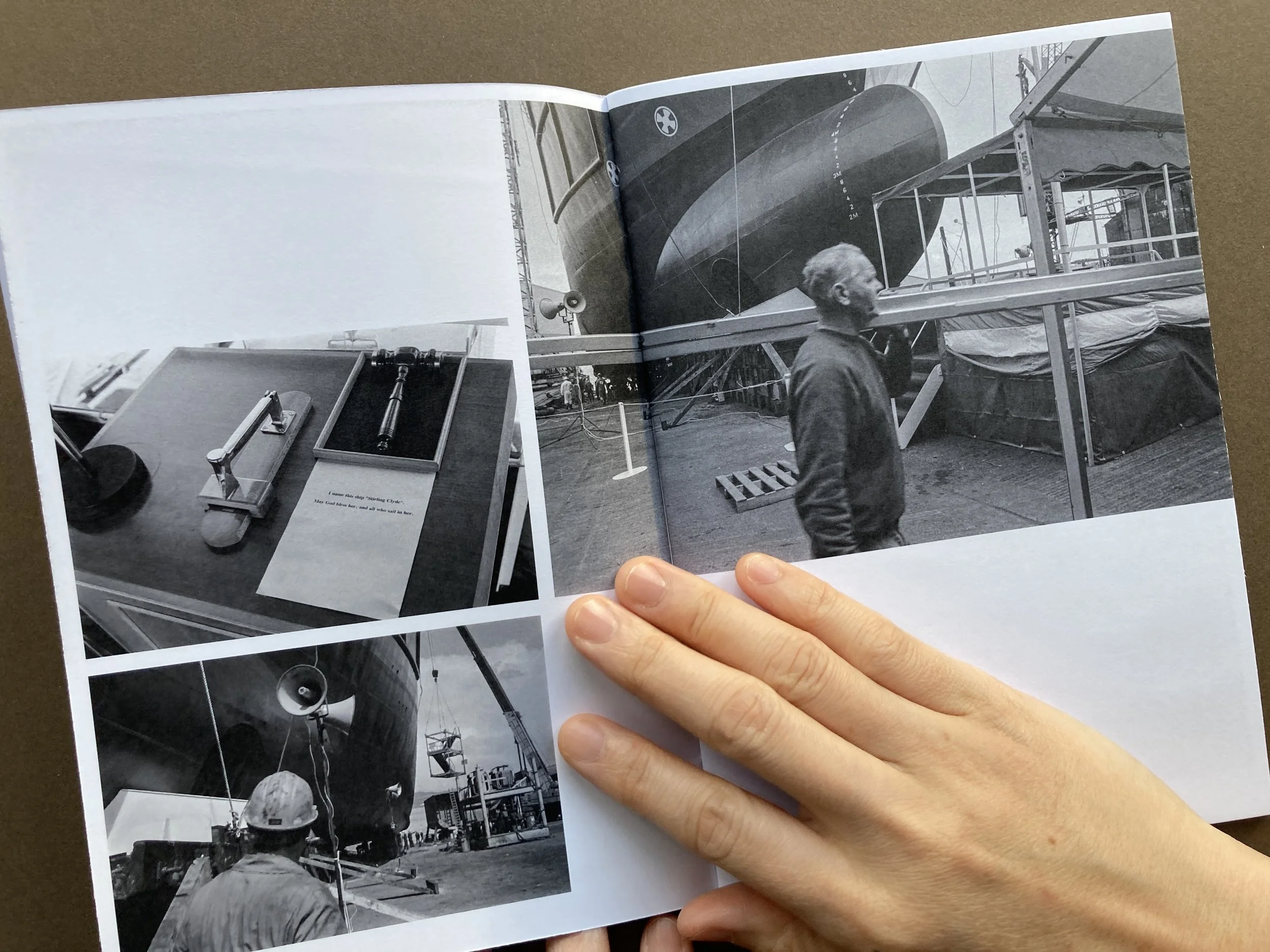
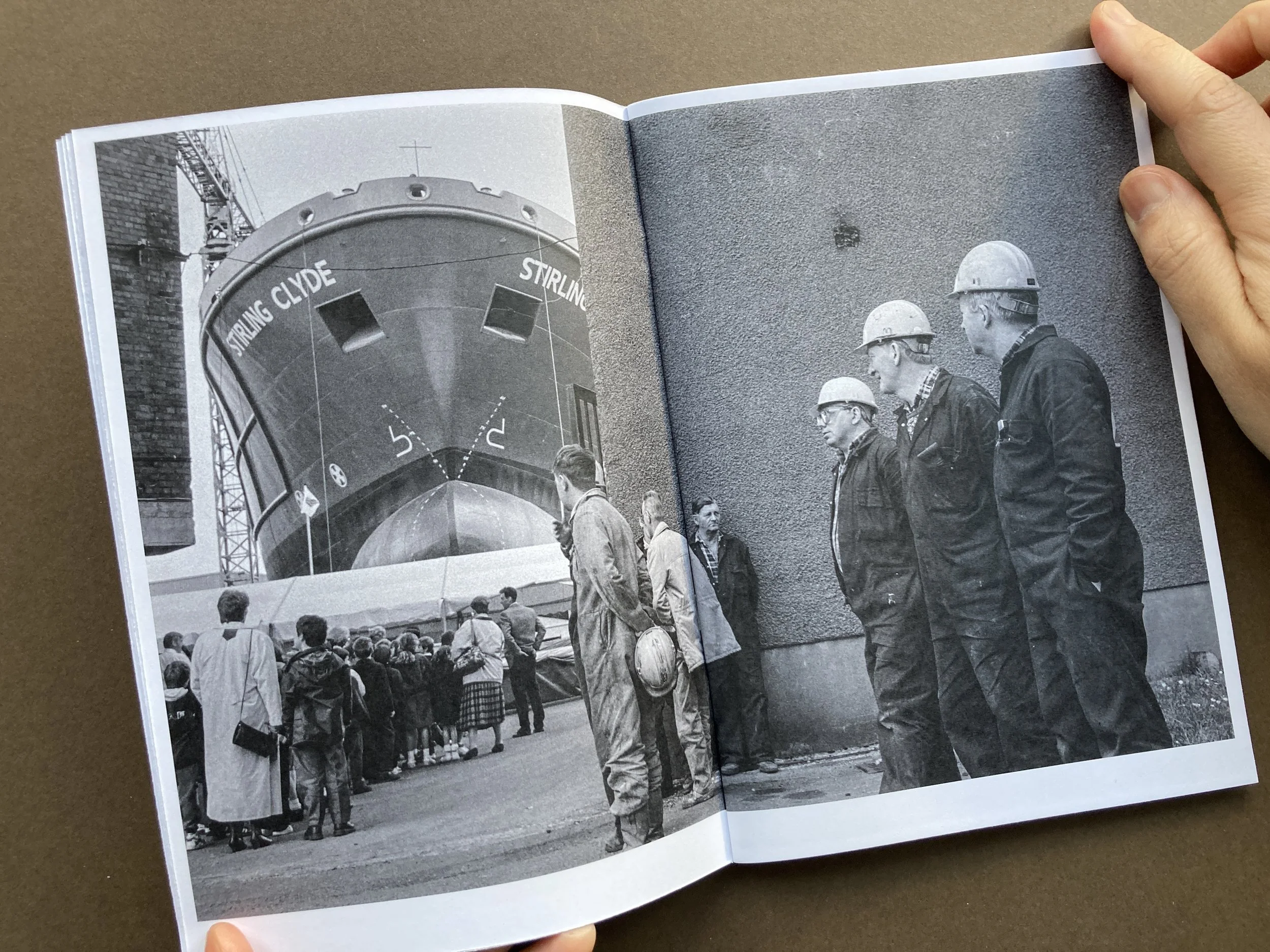
SET OF THREE zines - ‘No M77 CarHenge, 1994/95’, ‘Save Our Pool, 2001’ and ‘Kenmure Street, 2021’
All A5 size, 40 pages.
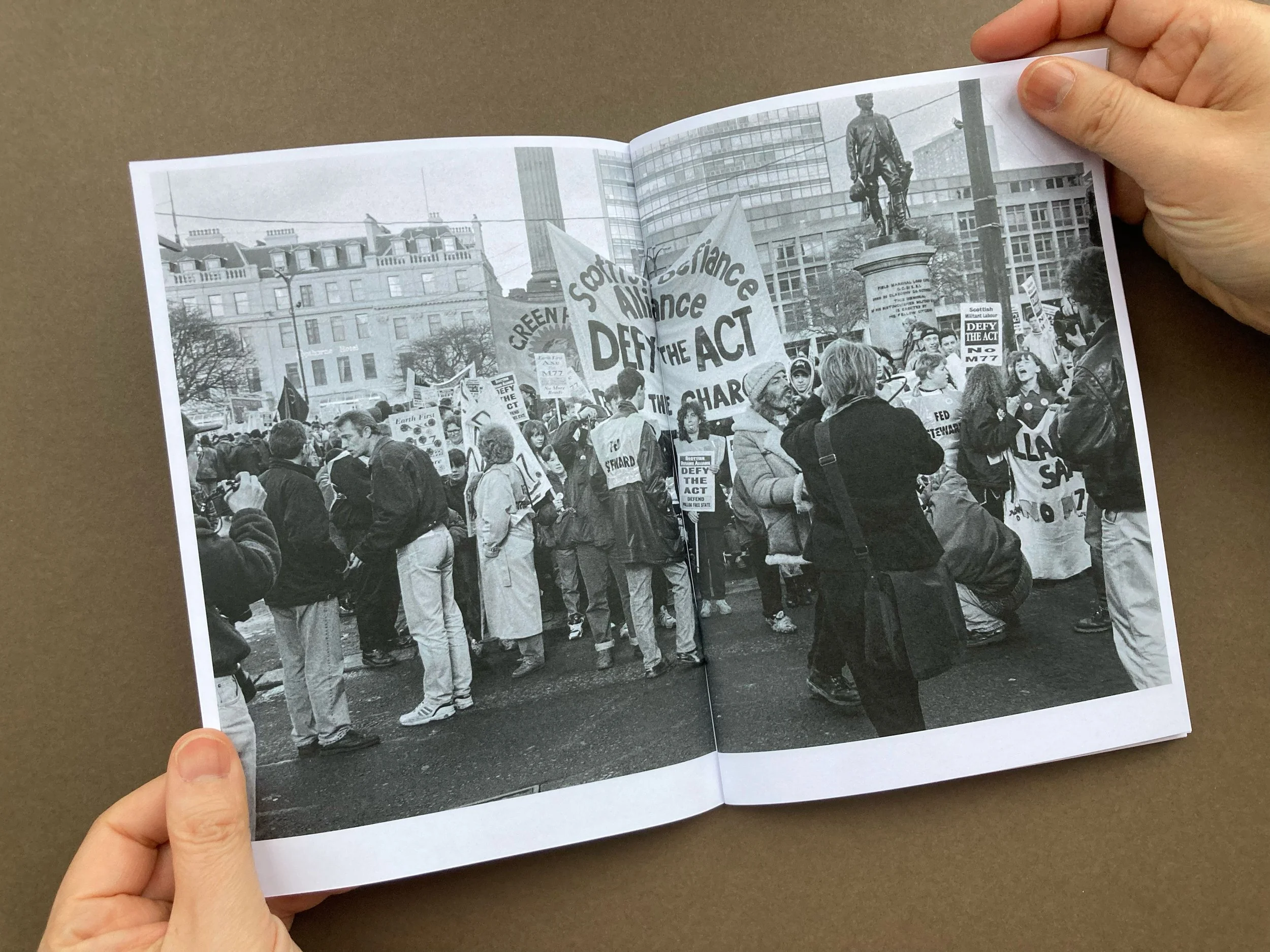
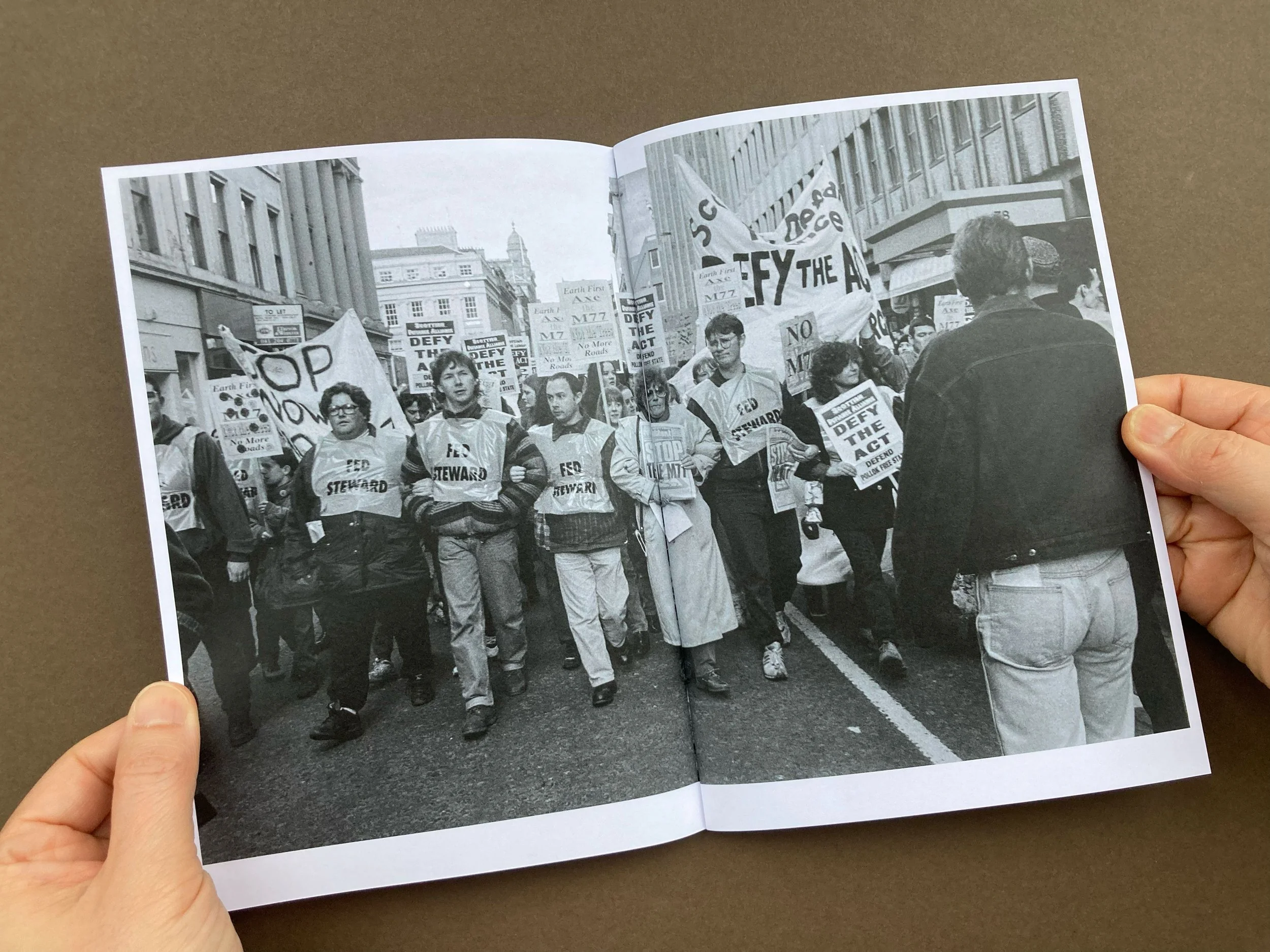
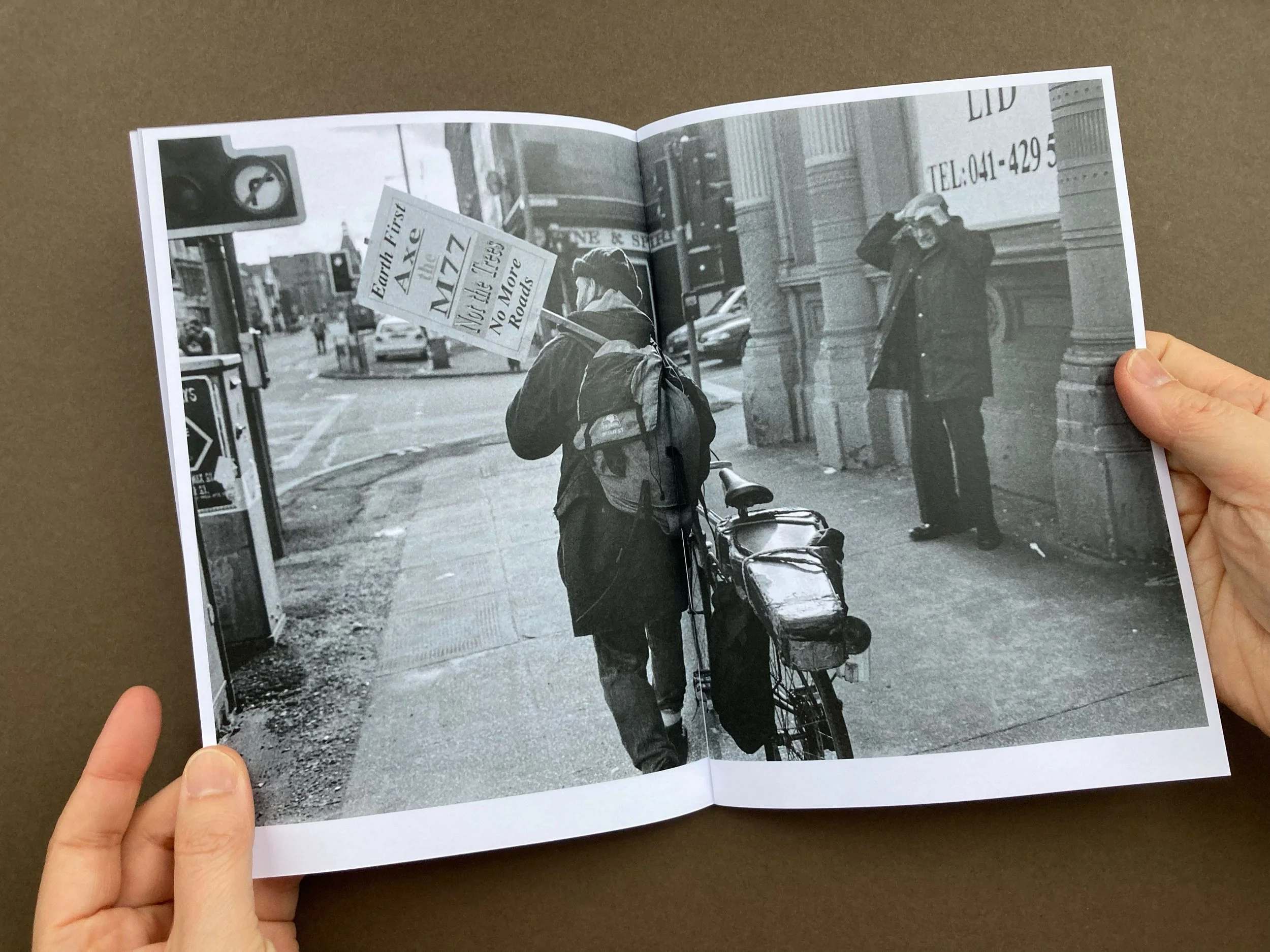
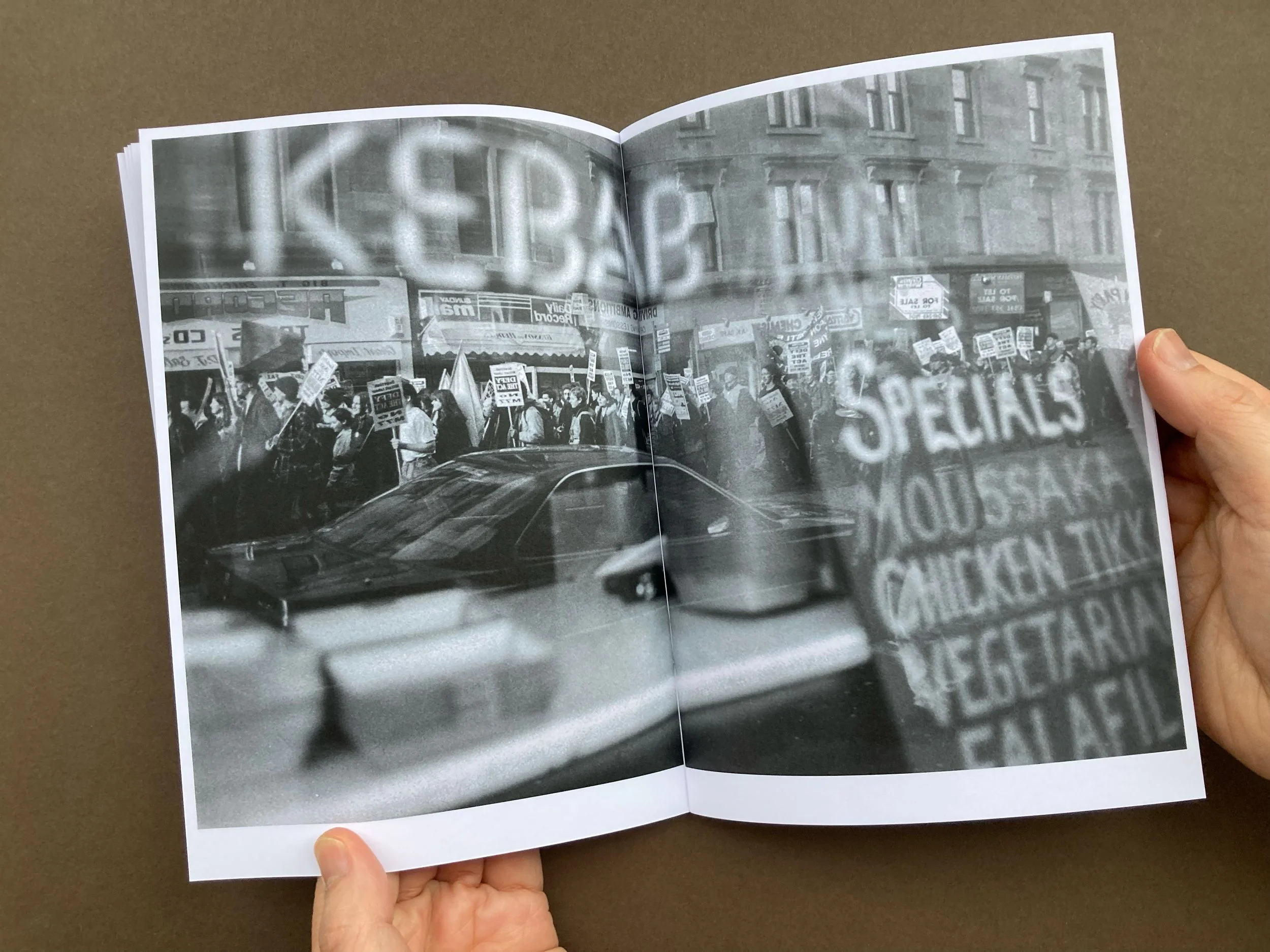
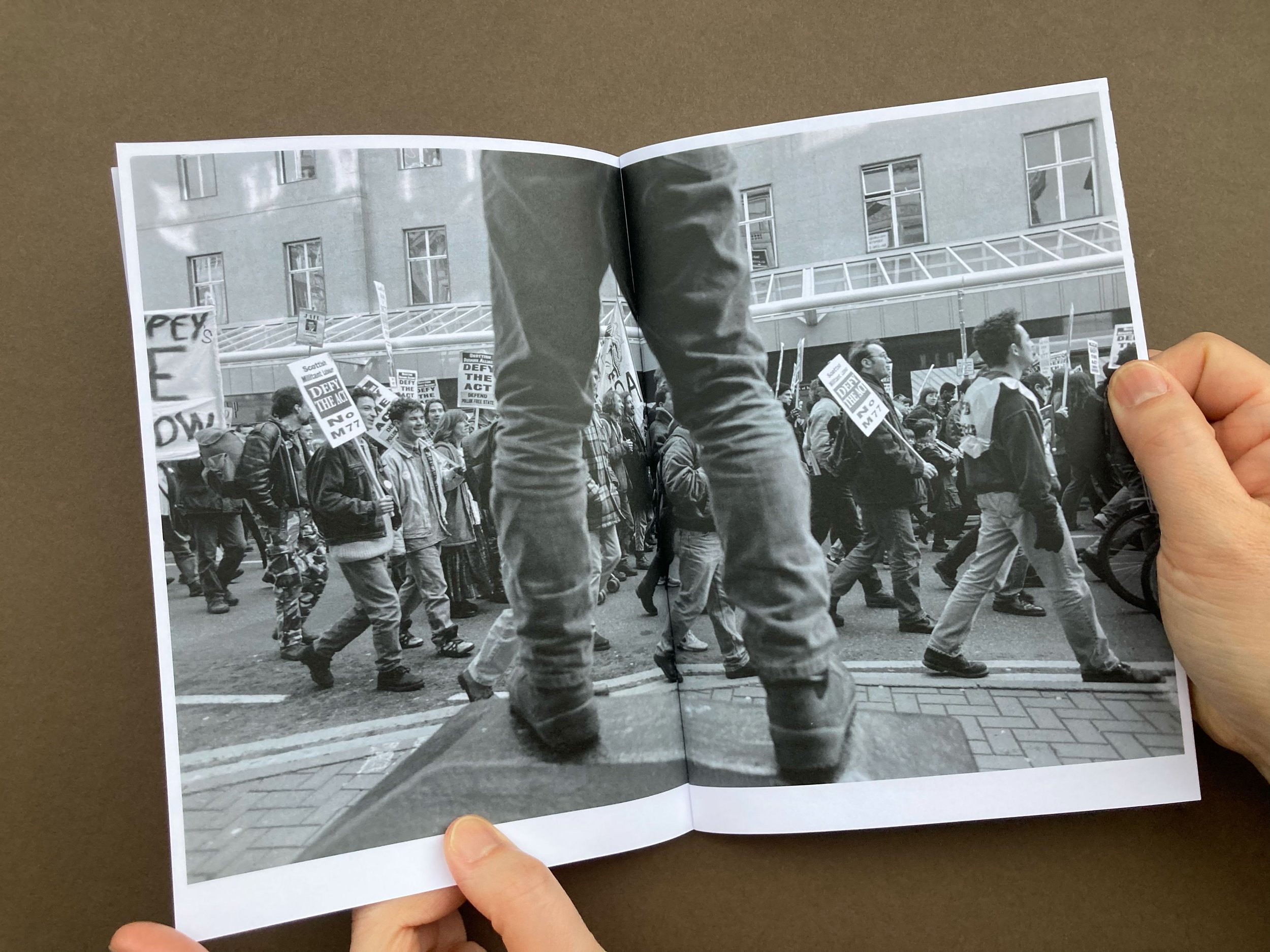
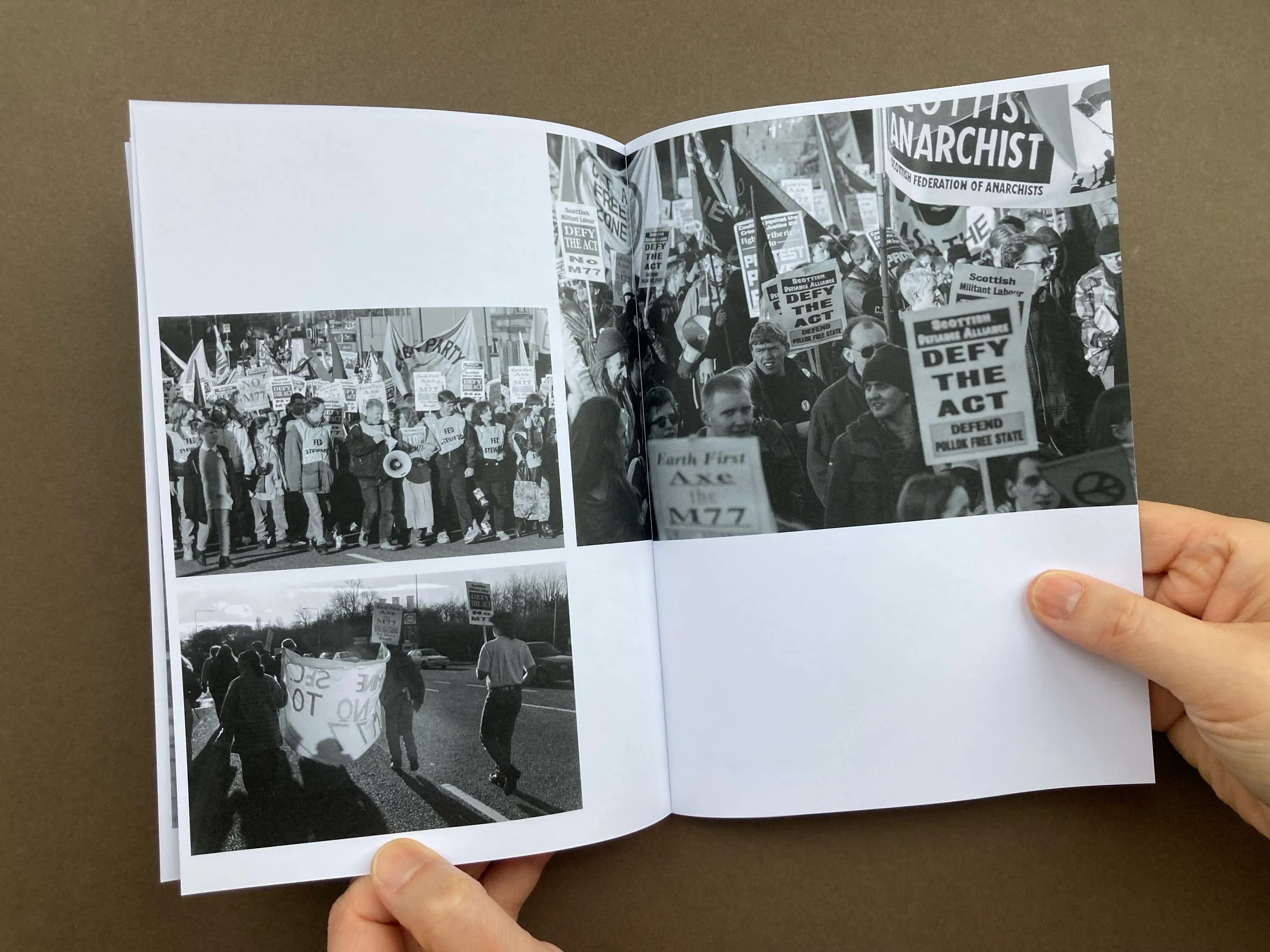
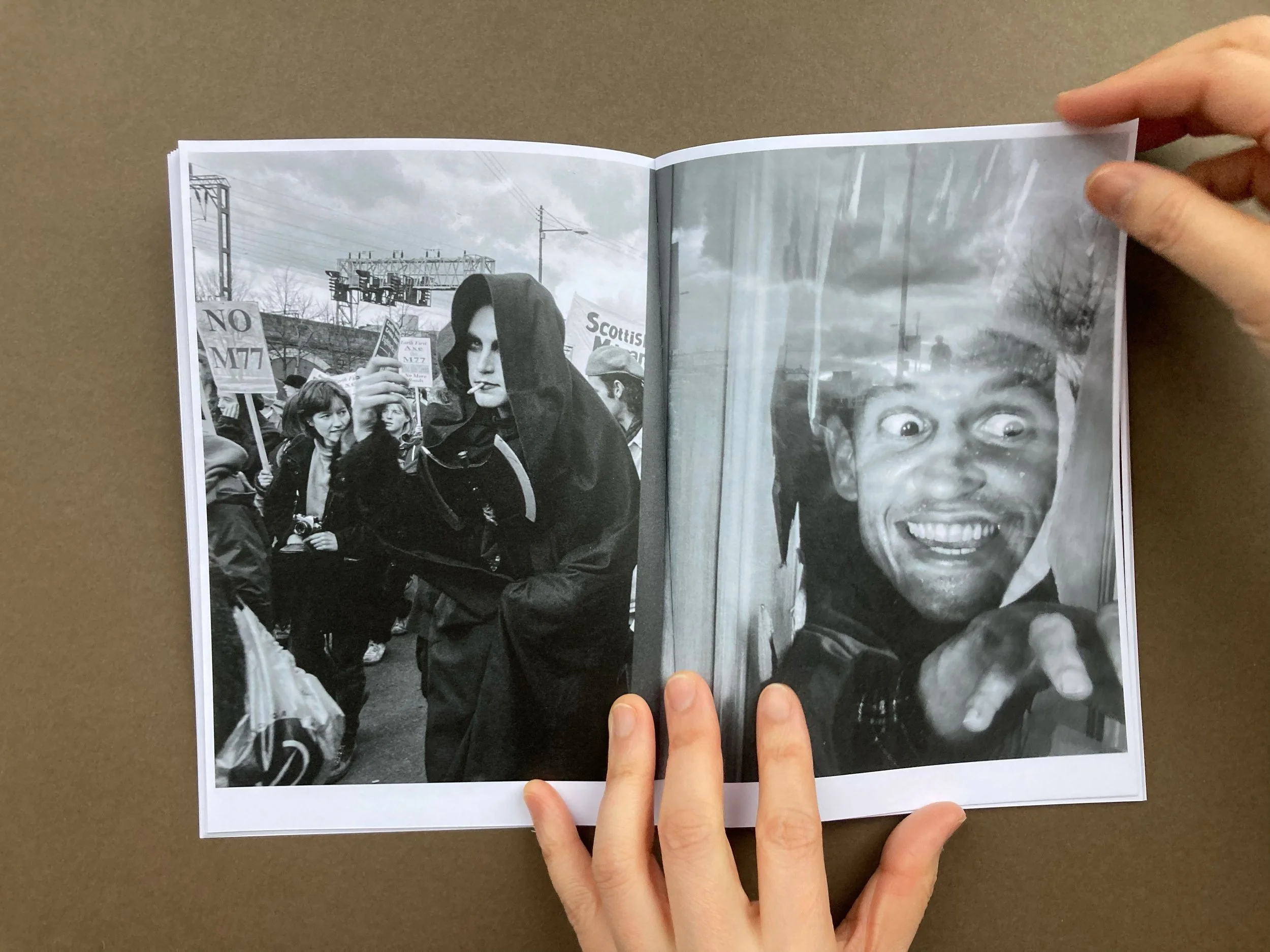
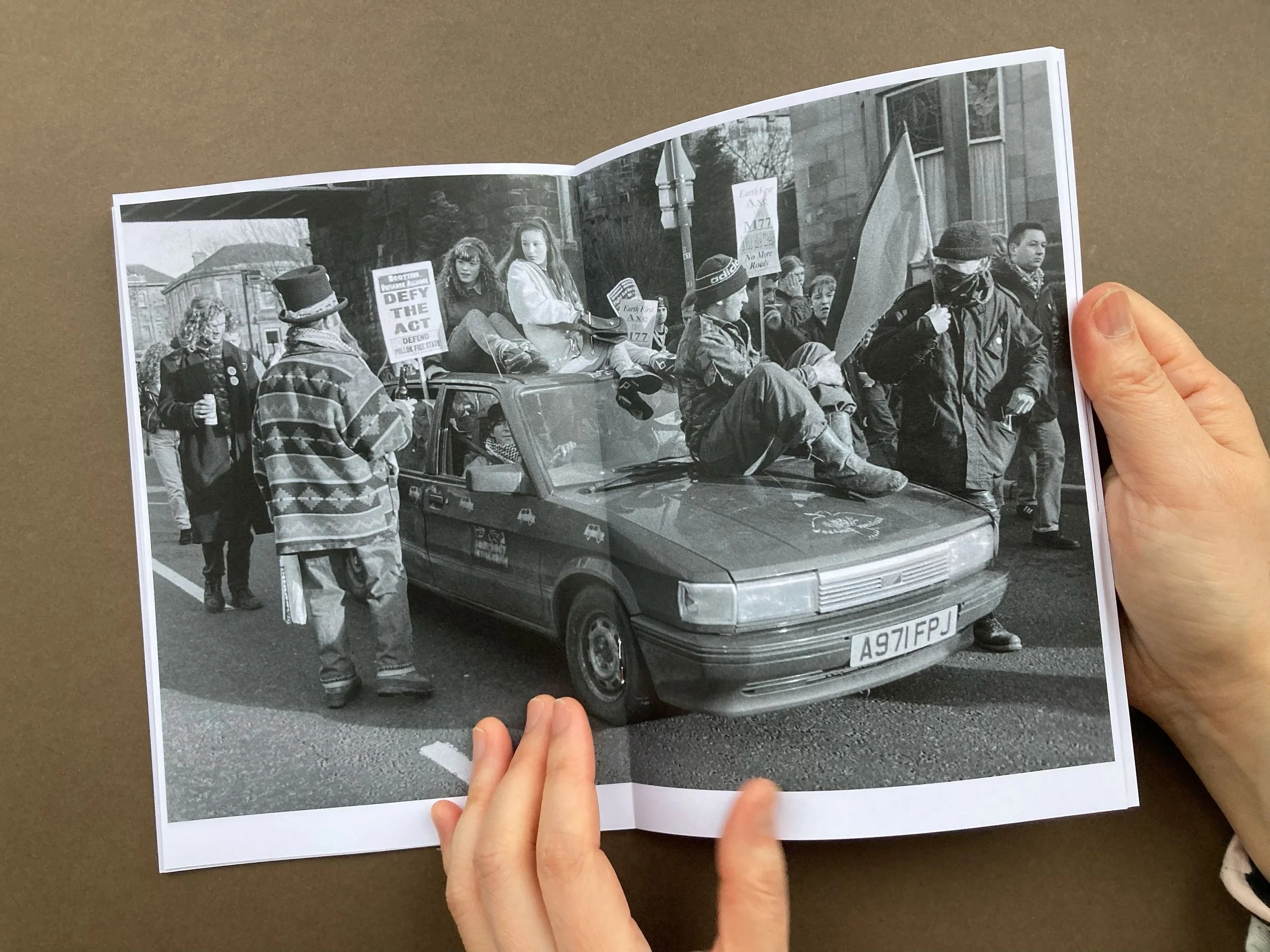
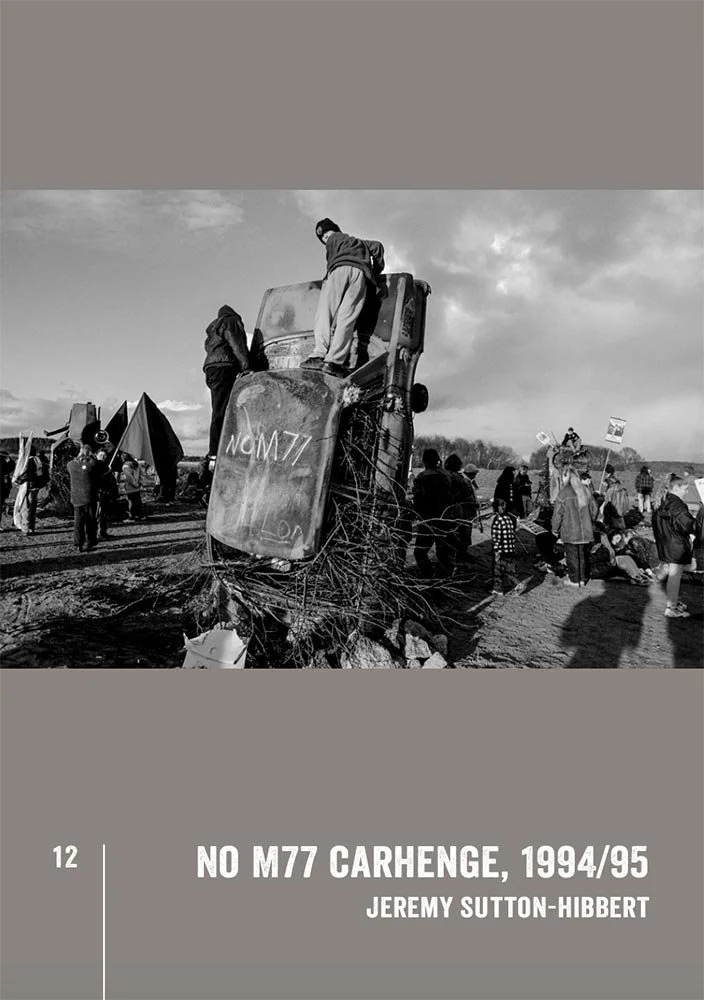
‘No M77’ Carhenge, Pollok Estate, Glasgow, 1994/95.
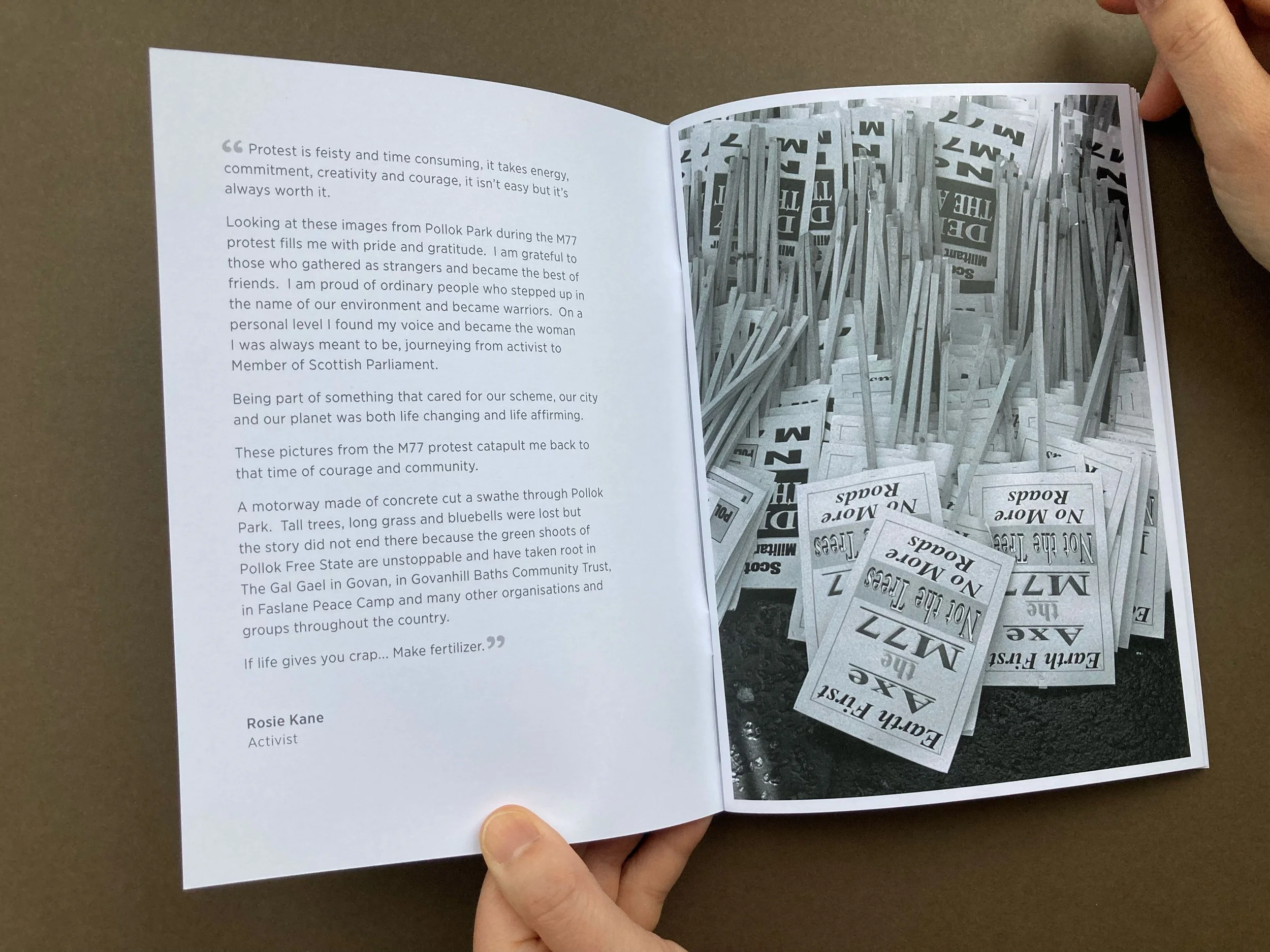
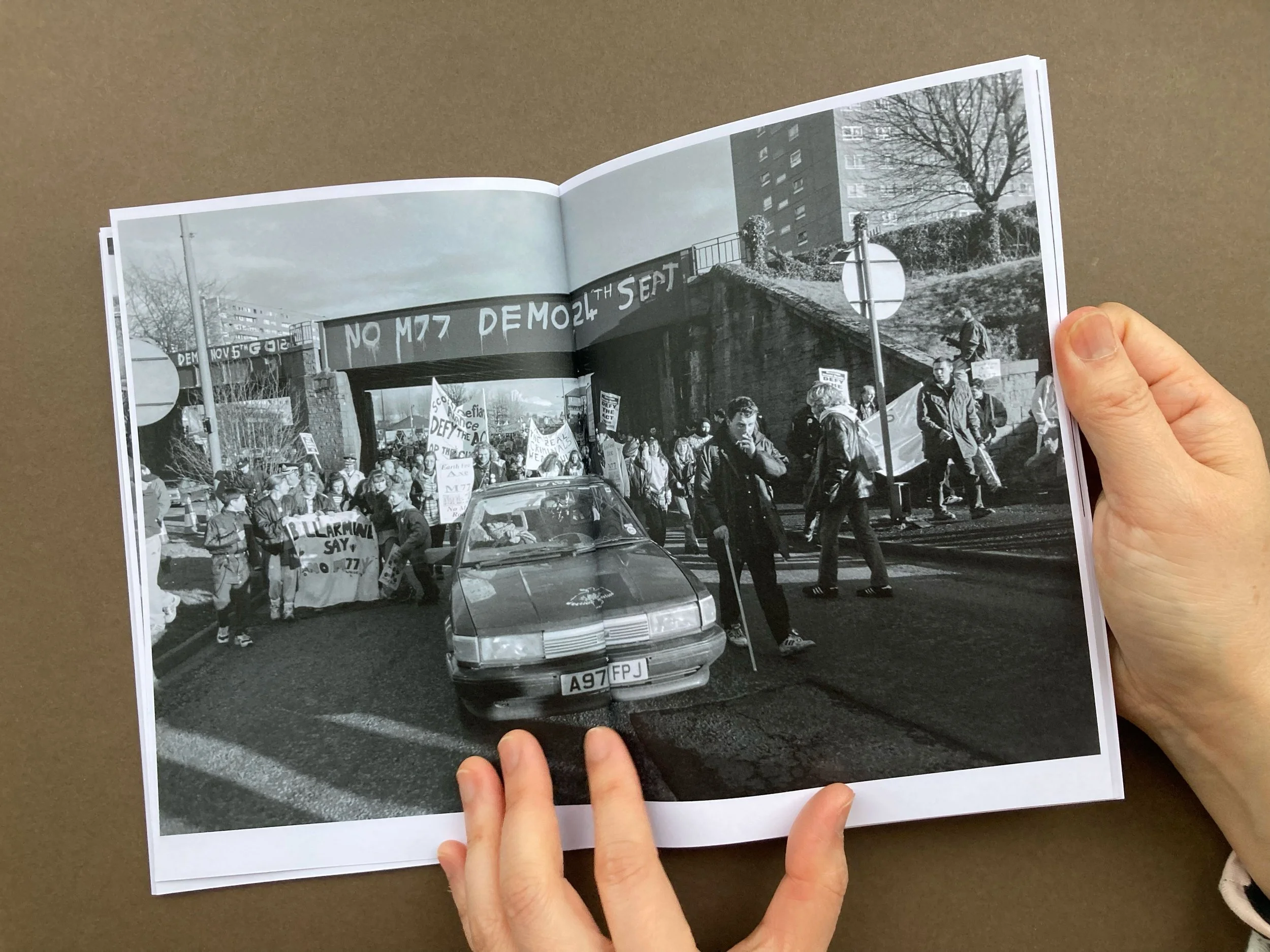
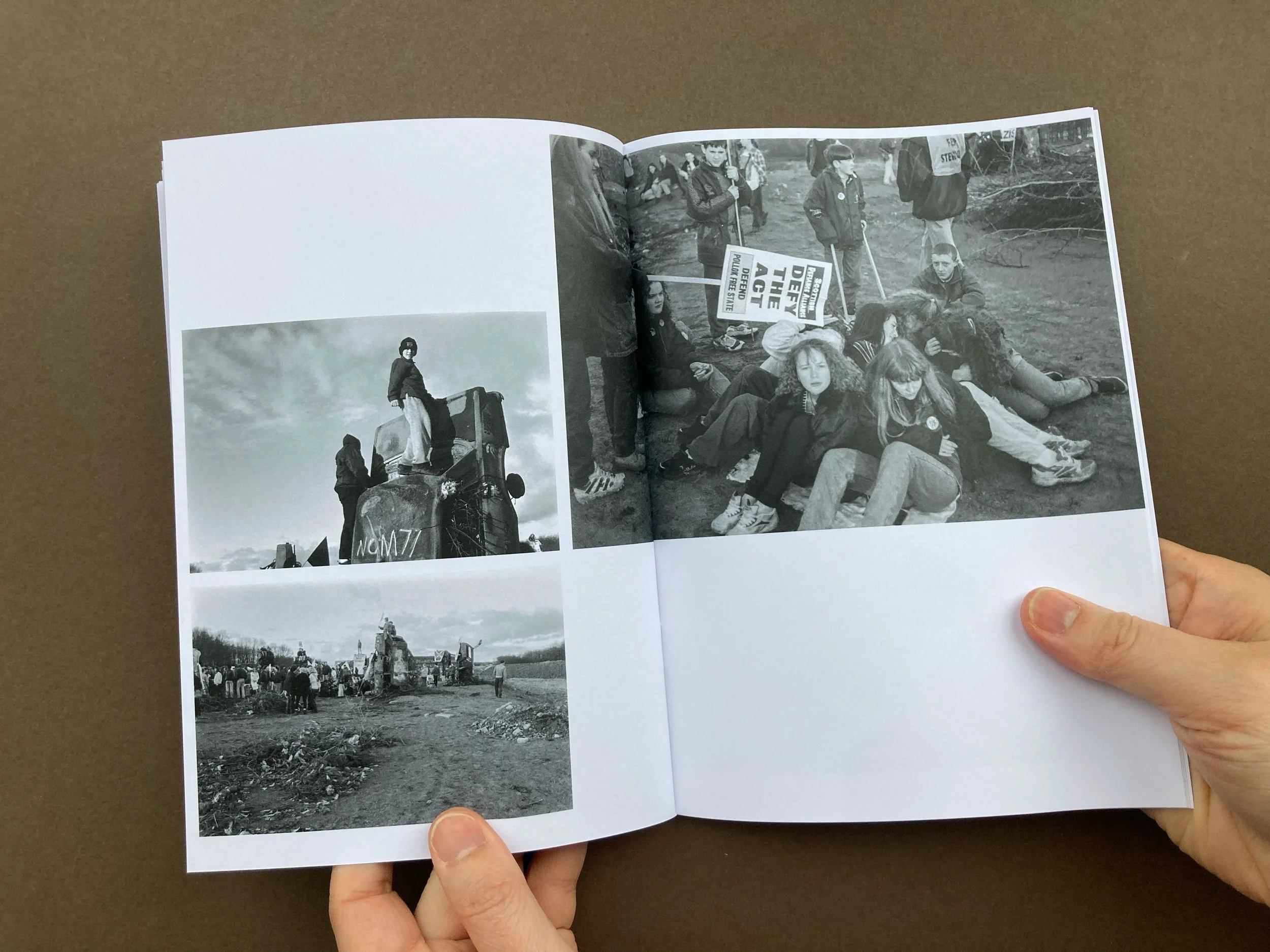
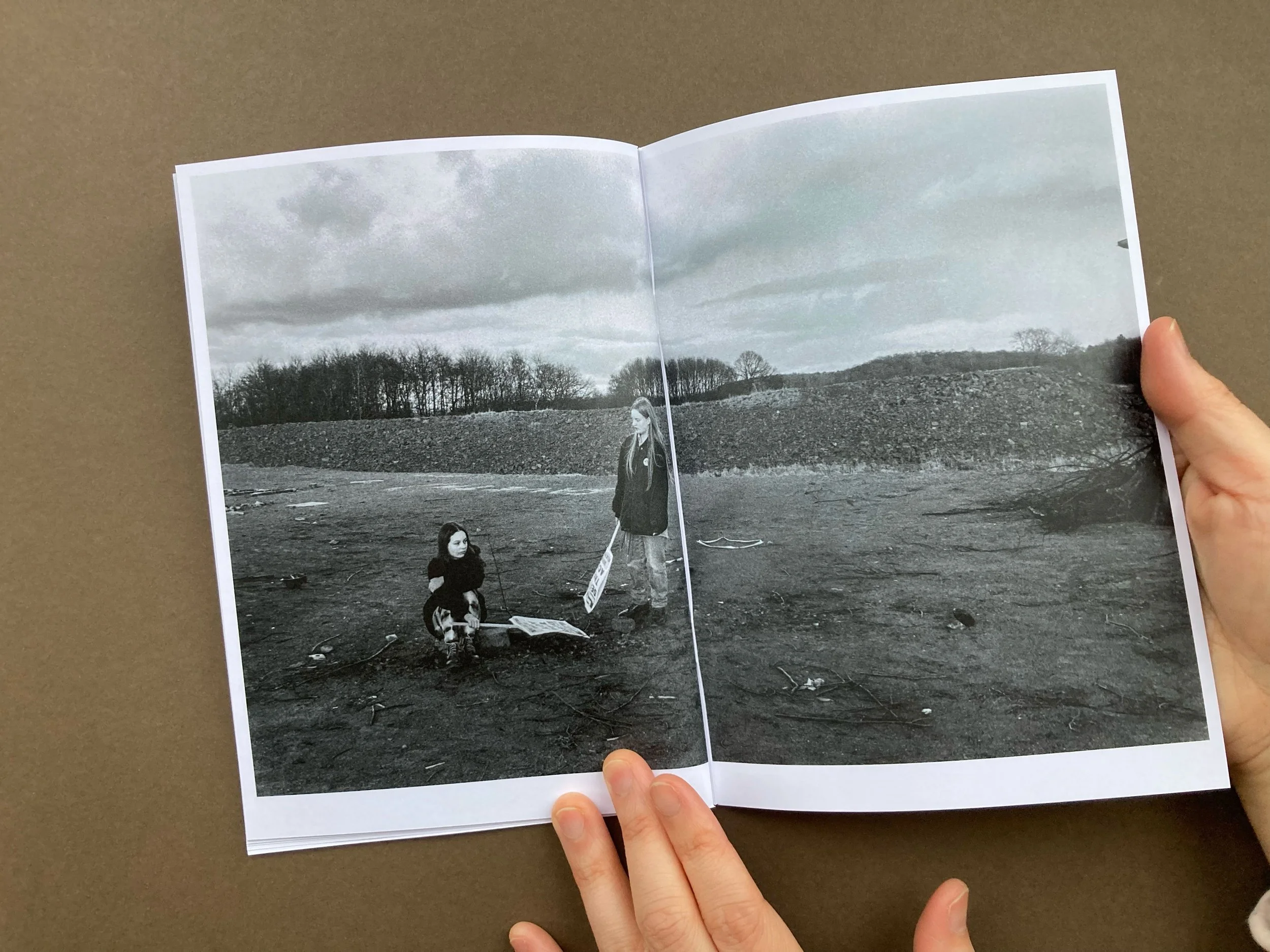
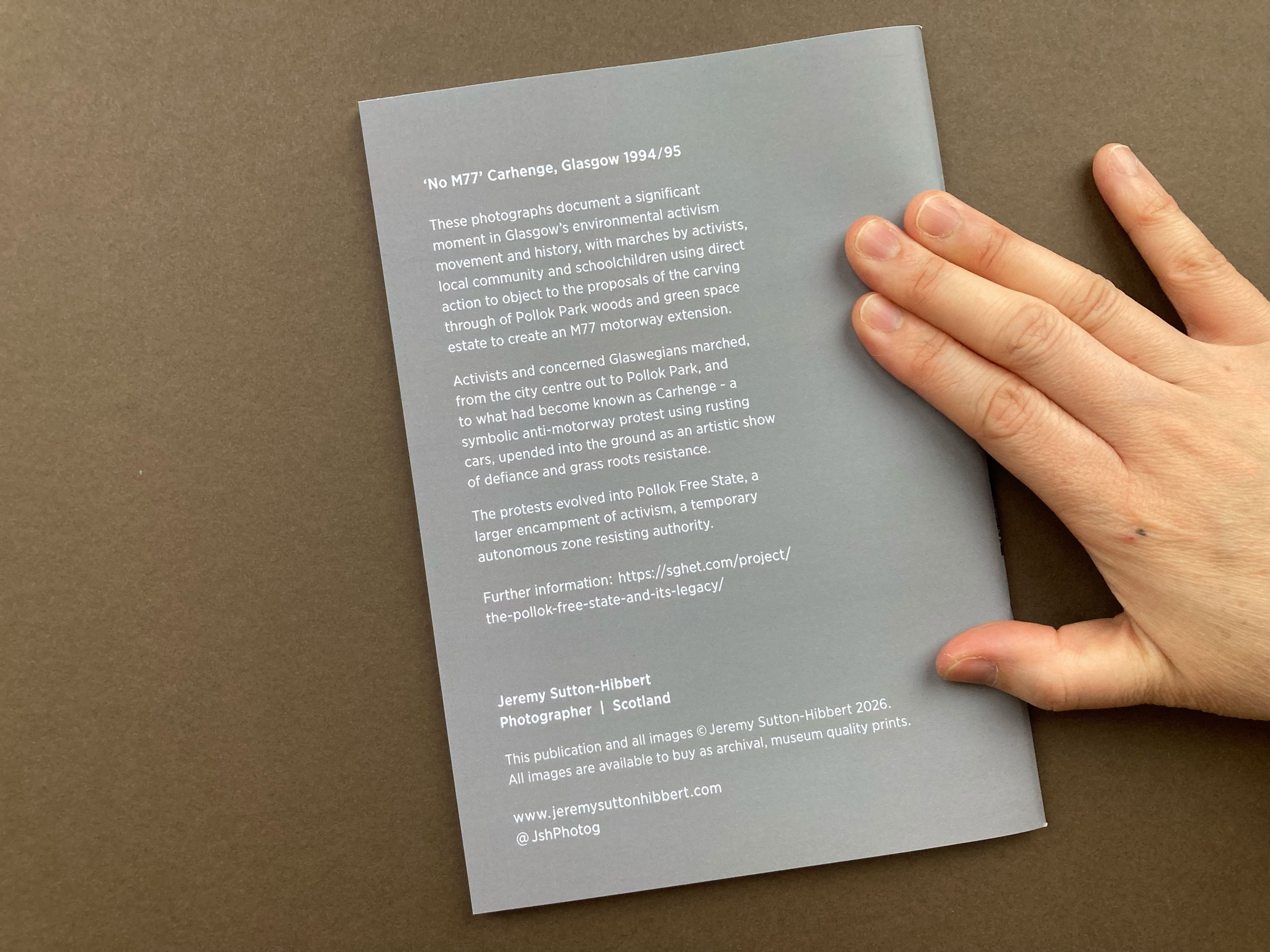
These photographs document a significant moment in Glasgow’s environmental activism movement and history, with marches by activists, local community and schoolchildren using direct action to object to the proposals of the carving through of Pollok Park woods and green space estate to create an M77 motorway extension.
Activists and concerned Glaswegians marched, from the city centre out to Pollok Park, and to what had become known as Carhenge - a symbolic anti-motorway protest using rusting cars, upended into the ground as an artistic show of defiance and grass roots resistance.
The protests evolved into Pollok Free State, a larger encampment of activism, a temporary autonomous zone resisting authority.
With a foreword by Rosie Kane, activist at Pollok Free State, and former Member of Scottish Parliament.
Save Our Pool, 2001
These photographs document in part the Save Our Pool campaign at Calder Street Baths swimming pool in Govanhill district of Glasgow, in late 2001.
Earlier that year the City Council had given notice to close the pool citing running costs and lack of use. The residents of the local community opposed the idea, and in March the Save Our Pool protests began including a 140-day long occupation, with accompanying 24-hour picket outside, of the Baths building - the longest occupation of a civic building in UK history. The occupation ended in August, with police using force to regain control of the building, but the Save Our Pool protests were only getting started.
I spent much of that year photographing abroad, on a variety of international assignments, and I rue the fact I don’t have more photographs of the Save Our Pool protests, of the occupation, or of the 7th August ‘Battle of Calder Street’ as the police stormed the Baths buildings.
But these images show the community involvement in the ongoing Save Our Pool campaign, with marches and a gala day to raise awareness and funds, and from within the empty Baths building itself attempts by activists to clear up even after the occupation had finished.
With a foreword by Paula Larkin, Archive & Heritage Manager, at Govanhill Baths Archive & Heritage.
Kenmure Street, 2021
I was returning from a photographic commission in the Scottish Borders, just arriving back in Glasgow, when a friend Alex called, “I think you should come to Kenmure Street, there’s a big protest happening.”
On the morning of Eid, May 13th, two Sikh men were seized from their Pollokshields home and detained by the Home Office, for alleged immigration violations. Neighbours observing the detention happening began surrounding the immigration enforcement vehicle, with one protestor lodging himself below it.
As word spread and the community gathered calling for the release off their two neighbours a stand off with the authorities began, resulting in Police Scotland being involved to maintain order.
In late afternoon with an ever-growing gathering of determined supporters surrounding the van, and after being held all day within it, the two men were escorted by Police Scotland to a nearby mosque, where they were released to cheers from the crowds.
The actions of the Home Office were roundly criticised, and the day’s events became widely known as a protest that made a difference in 2021.
With a foreword by Mohammad Asif, Director of Afghan Human Rights Foundation.
___
Zines are a low cost way of printing photographic publications, making them affordable to many and an accessible way into buying photography.
As such, as they are a low cost printing option, there can be slight variations in colour matching and printing across various zines from the same series, as ultimately they are printed on various printing presses at the printers.
Of course we try to minimise this, but this is the nature of zine printing. We appreciate your understanding.
*** DISCOUNTED ***
SET OF THREE zines - ‘No M77 CarHenge, 1994/95’, ‘Save Our Pool, 2001’ and ‘Kenmure Street, 2021’
All A5 size, 40 pages.
‘No M77’ Carhenge, Pollok Estate, Glasgow, 1994/95.
These photographs document a significant moment in Glasgow’s environmental activism movement and history, with marches by activists, local community and schoolchildren using direct action to object to the proposals of the carving through of Pollok Park woods and green space estate to create an M77 motorway extension.
Activists and concerned Glaswegians marched, from the city centre out to Pollok Park, and to what had become known as Carhenge - a symbolic anti-motorway protest using rusting cars, upended into the ground as an artistic show of defiance and grass roots resistance.
The protests evolved into Pollok Free State, a larger encampment of activism, a temporary autonomous zone resisting authority.
With a foreword by Rosie Kane, activist at Pollok Free State, and former Member of Scottish Parliament.
Save Our Pool, 2001
These photographs document in part the Save Our Pool campaign at Calder Street Baths swimming pool in Govanhill district of Glasgow, in late 2001.
Earlier that year the City Council had given notice to close the pool citing running costs and lack of use. The residents of the local community opposed the idea, and in March the Save Our Pool protests began including a 140-day long occupation, with accompanying 24-hour picket outside, of the Baths building - the longest occupation of a civic building in UK history. The occupation ended in August, with police using force to regain control of the building, but the Save Our Pool protests were only getting started.
I spent much of that year photographing abroad, on a variety of international assignments, and I rue the fact I don’t have more photographs of the Save Our Pool protests, of the occupation, or of the 7th August ‘Battle of Calder Street’ as the police stormed the Baths buildings.
But these images show the community involvement in the ongoing Save Our Pool campaign, with marches and a gala day to raise awareness and funds, and from within the empty Baths building itself attempts by activists to clear up even after the occupation had finished.
With a foreword by Paula Larkin, Archive & Heritage Manager, at Govanhill Baths Archive & Heritage.
Kenmure Street, 2021
I was returning from a photographic commission in the Scottish Borders, just arriving back in Glasgow, when a friend Alex called, “I think you should come to Kenmure Street, there’s a big protest happening.”
On the morning of Eid, May 13th, two Sikh men were seized from their Pollokshields home and detained by the Home Office, for alleged immigration violations. Neighbours observing the detention happening began surrounding the immigration enforcement vehicle, with one protestor lodging himself below it.
As word spread and the community gathered calling for the release off their two neighbours a stand off with the authorities began, resulting in Police Scotland being involved to maintain order.
In late afternoon with an ever-growing gathering of determined supporters surrounding the van, and after being held all day within it, the two men were escorted by Police Scotland to a nearby mosque, where they were released to cheers from the crowds.
The actions of the Home Office were roundly criticised, and the day’s events became widely known as a protest that made a difference in 2021.
With a foreword by Mohammad Asif, Director of Afghan Human Rights Foundation.
___
Zines are a low cost way of printing photographic publications, making them affordable to many and an accessible way into buying photography.
As such, as they are a low cost printing option, there can be slight variations in colour matching and printing across various zines from the same series, as ultimately they are printed on various printing presses at the printers.
Of course we try to minimise this, but this is the nature of zine printing. We appreciate your understanding.
 Image 1 of 23
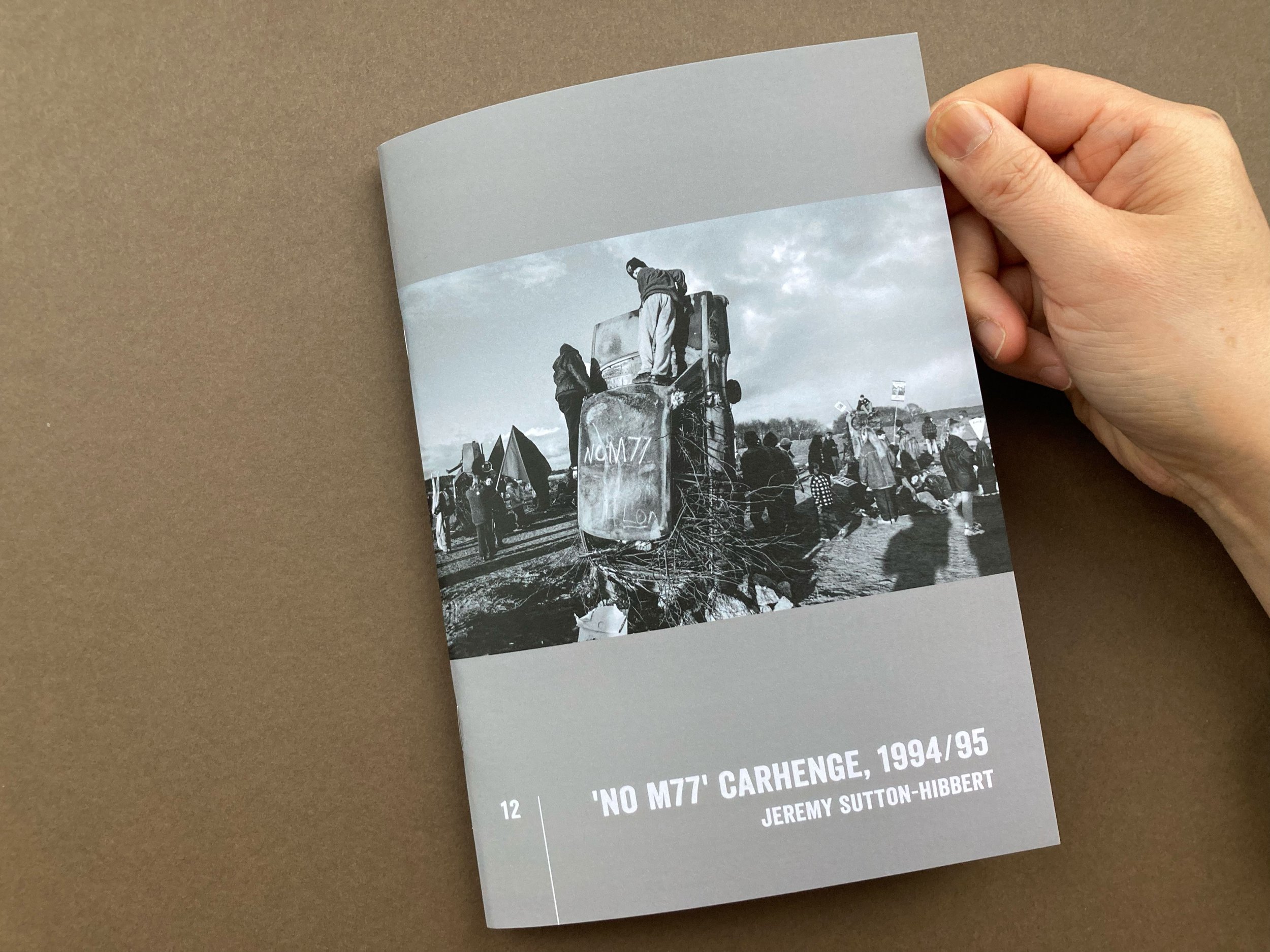 Image 2 of 23
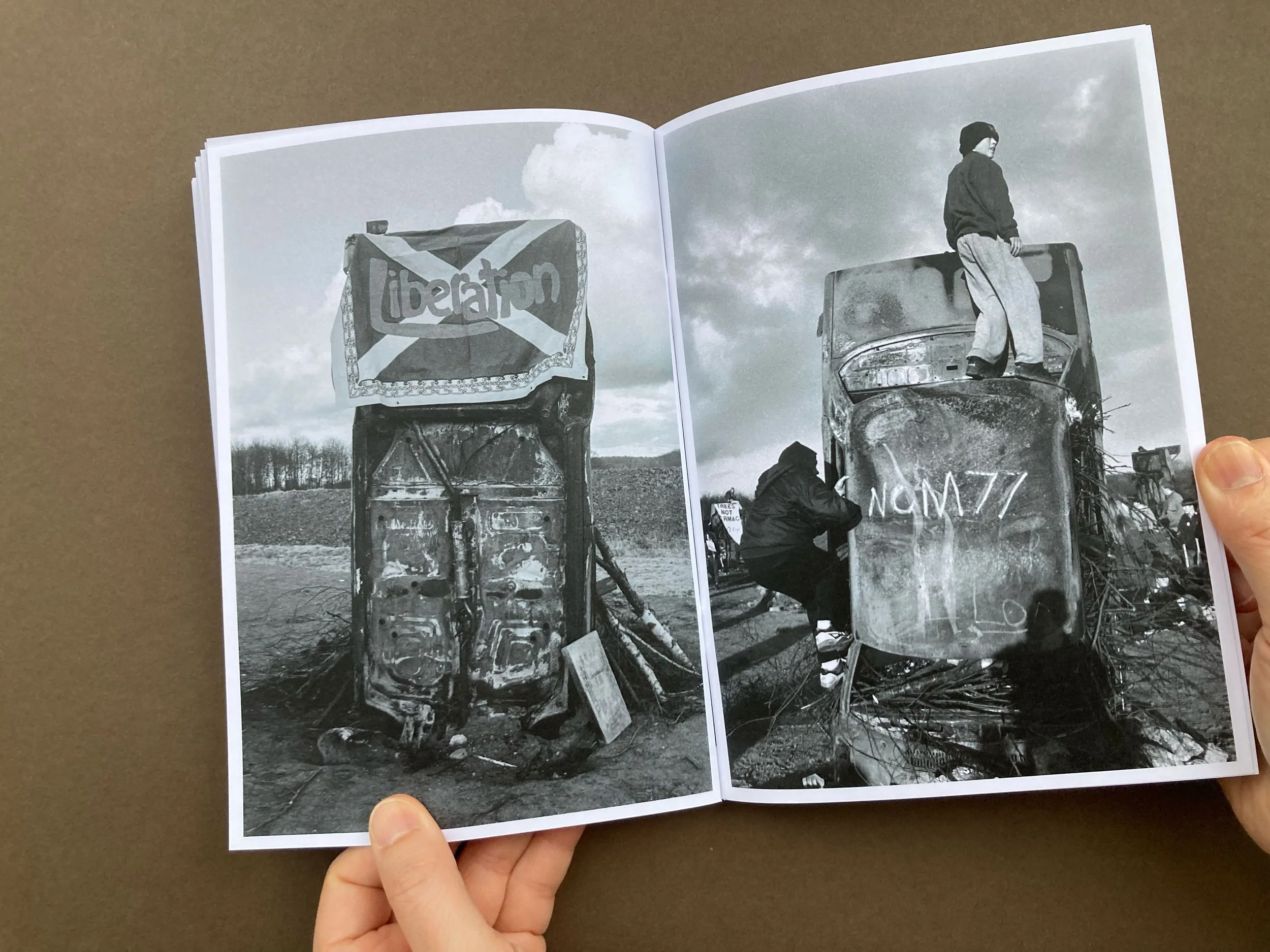 Image 3 of 23
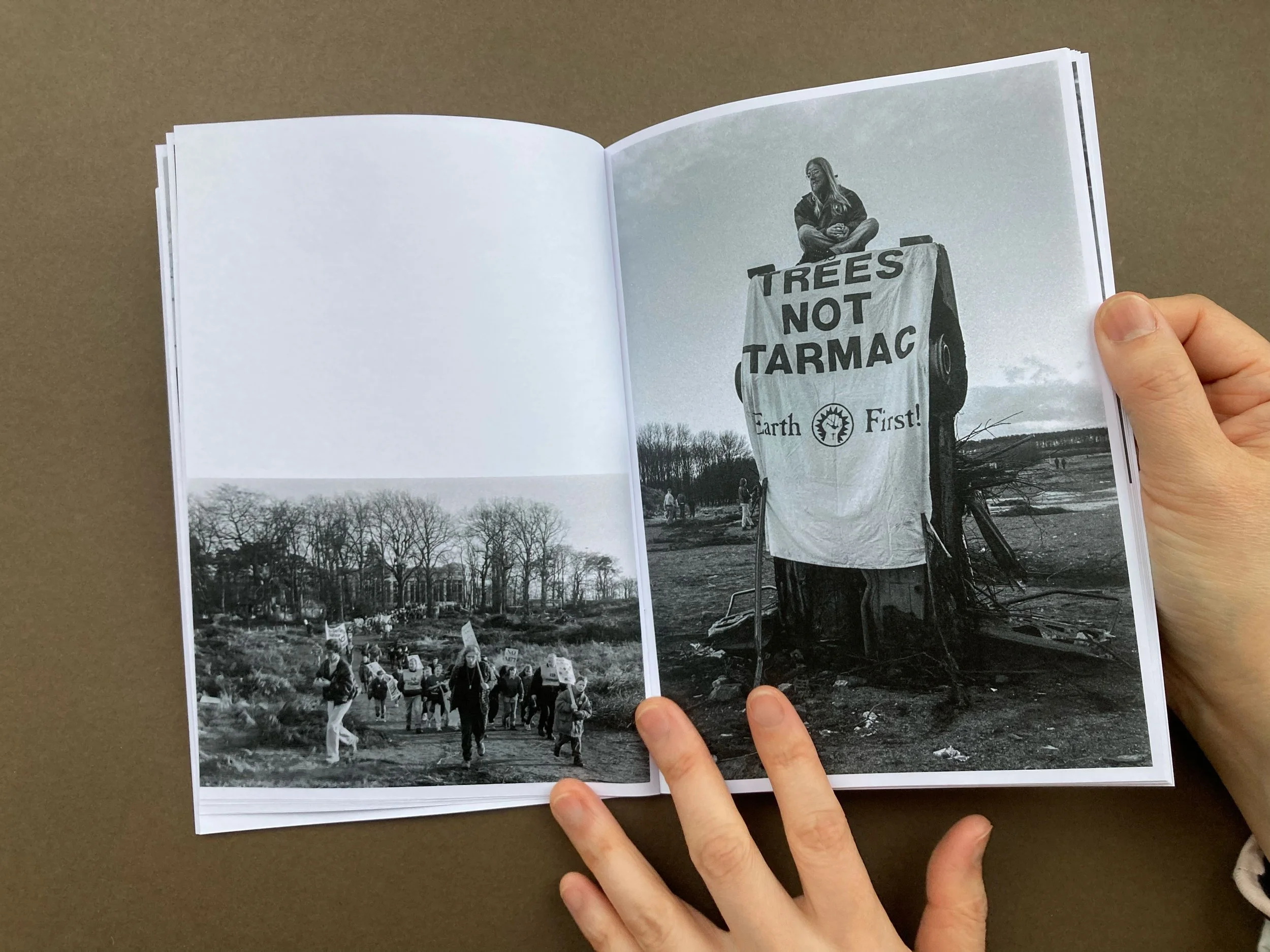 Image 4 of 23
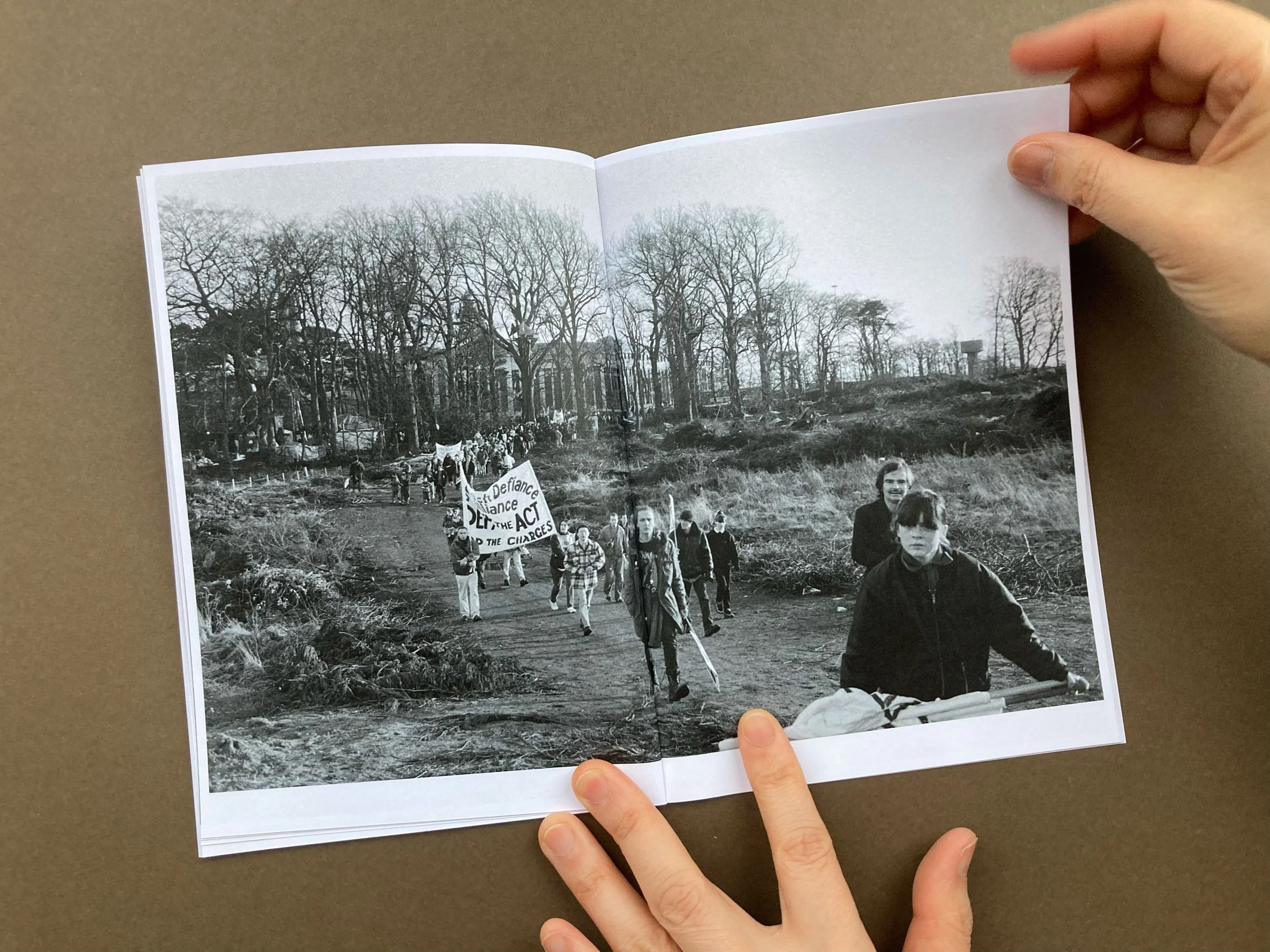 Image 5 of 23
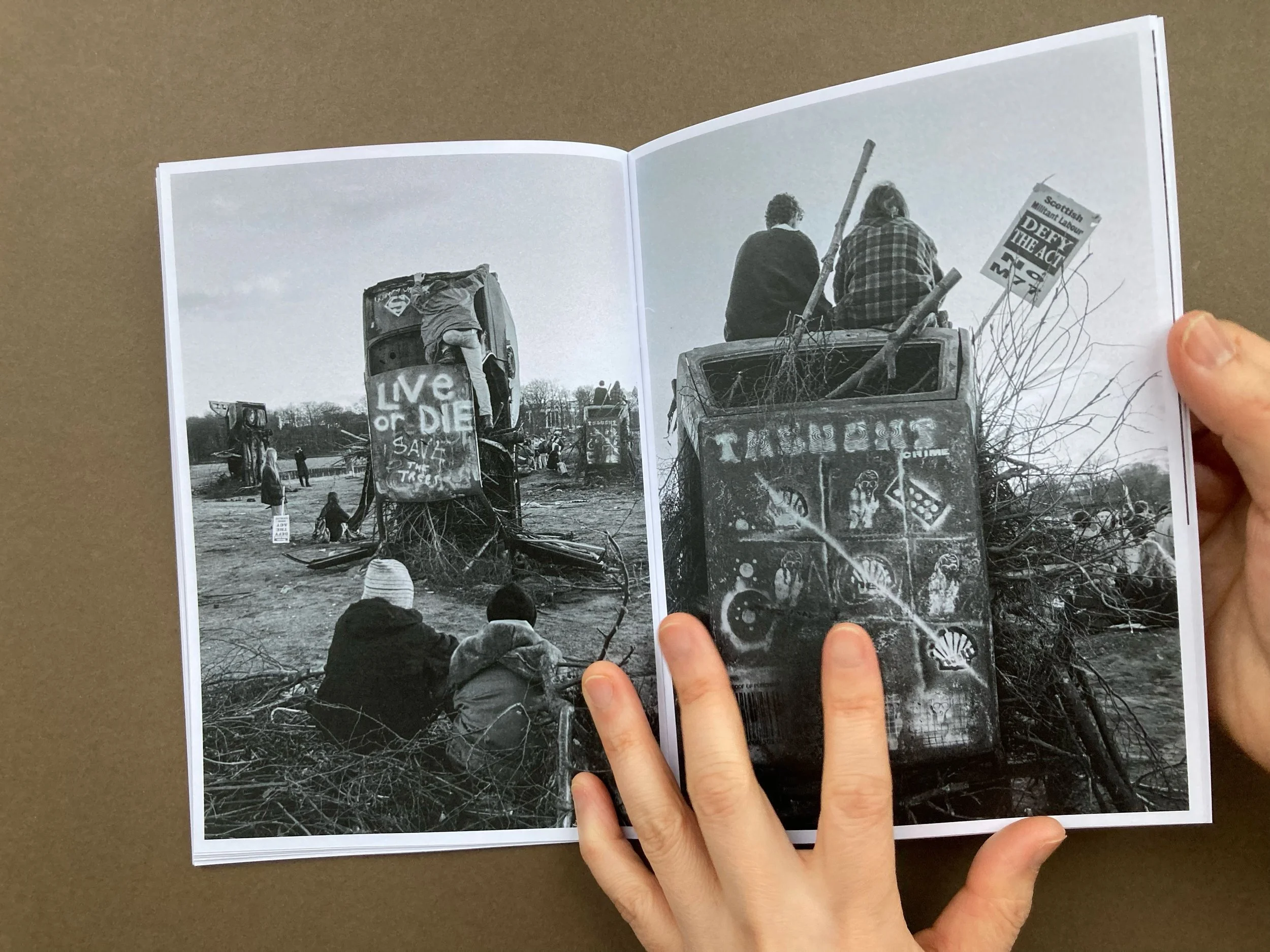 Image 6 of 23
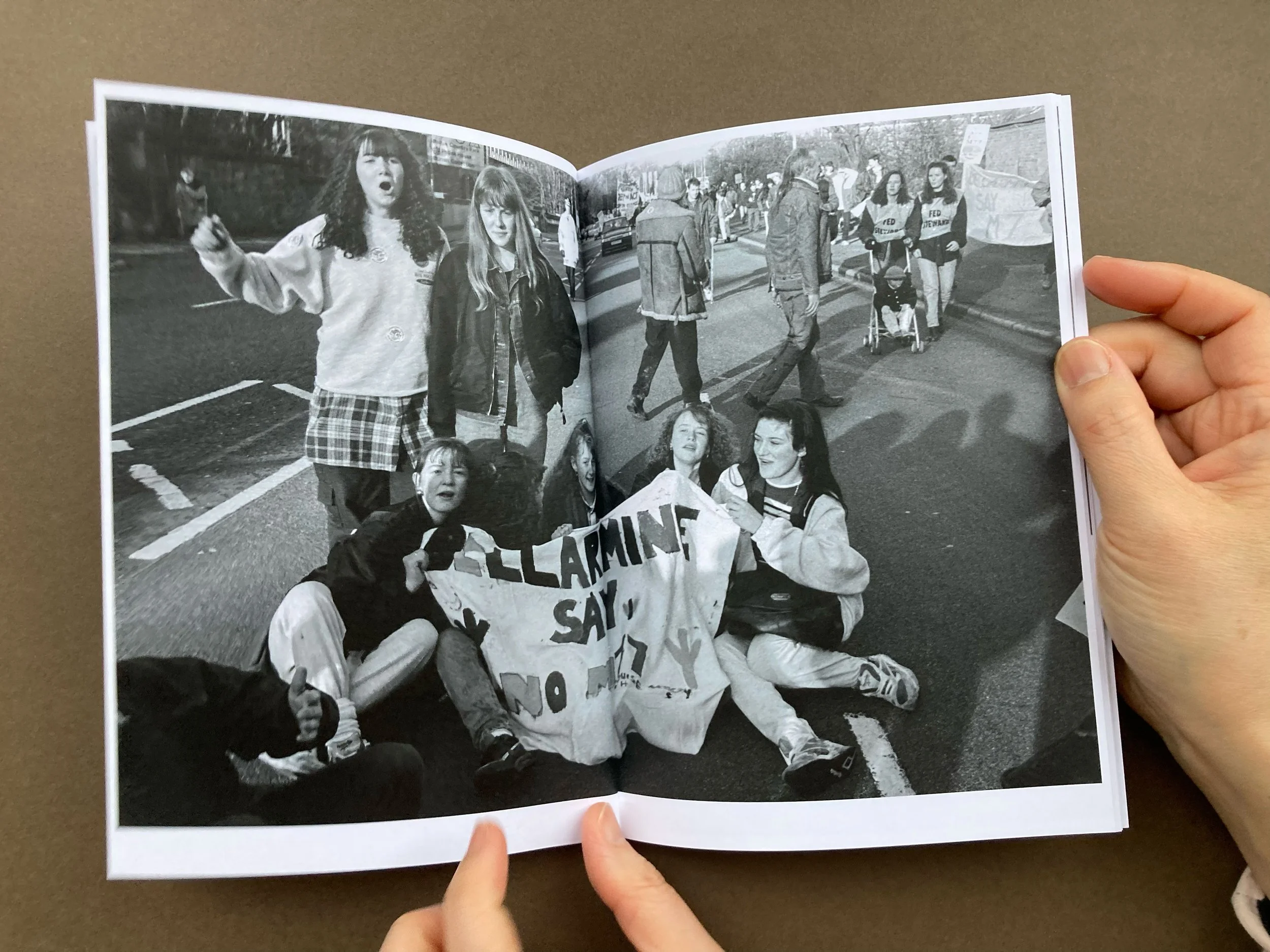 Image 7 of 23
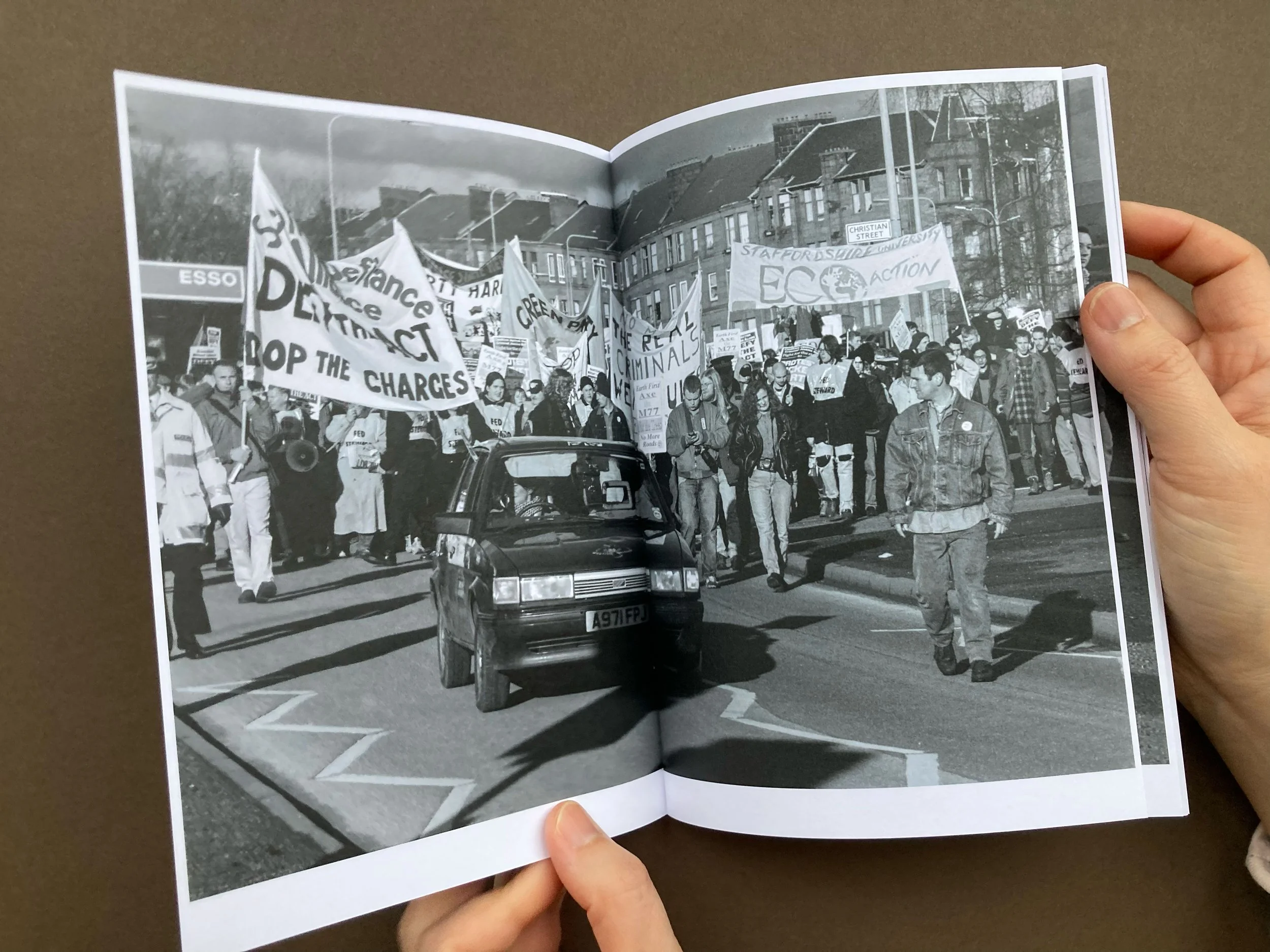 Image 8 of 23
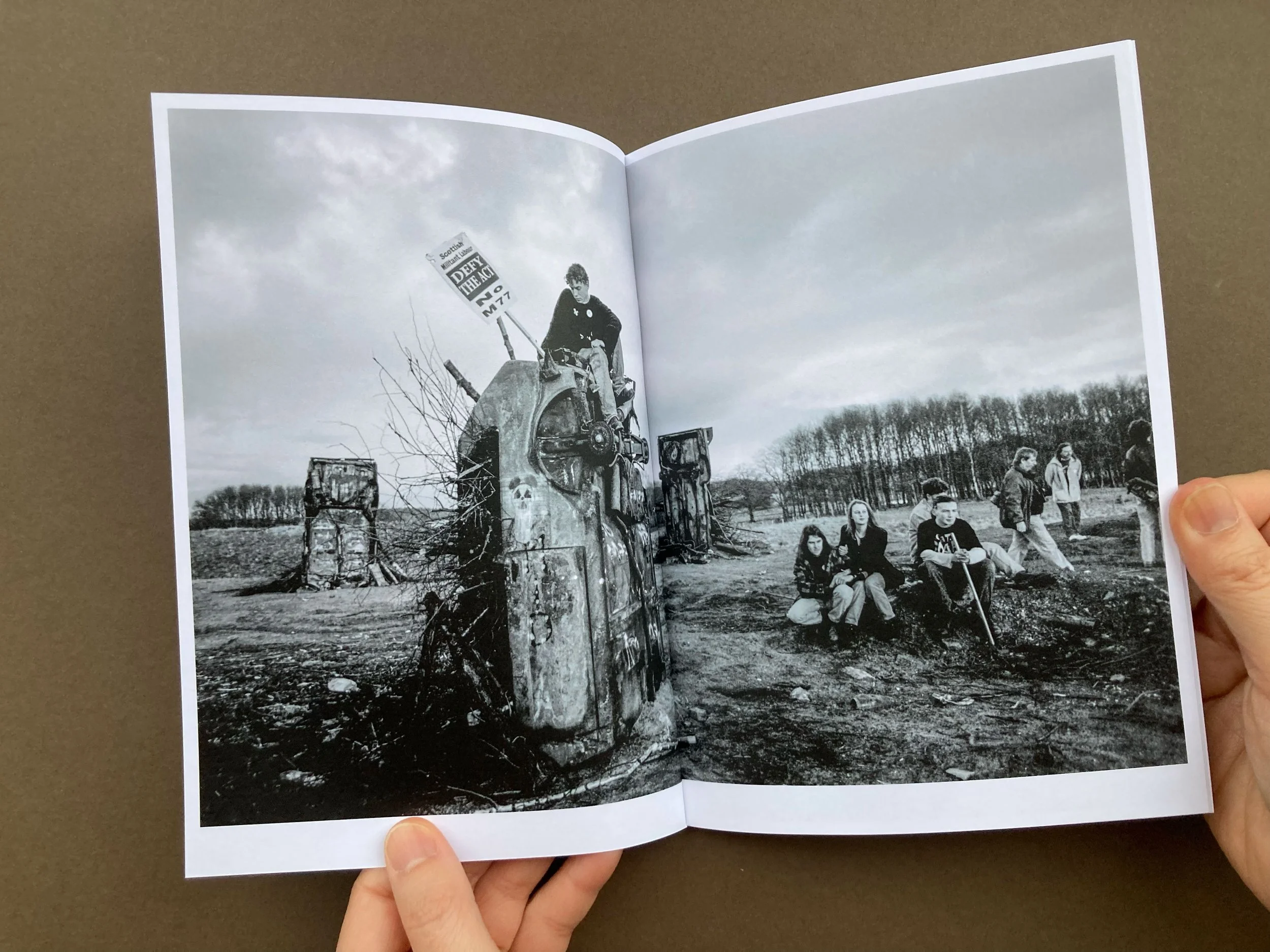 Image 9 of 23
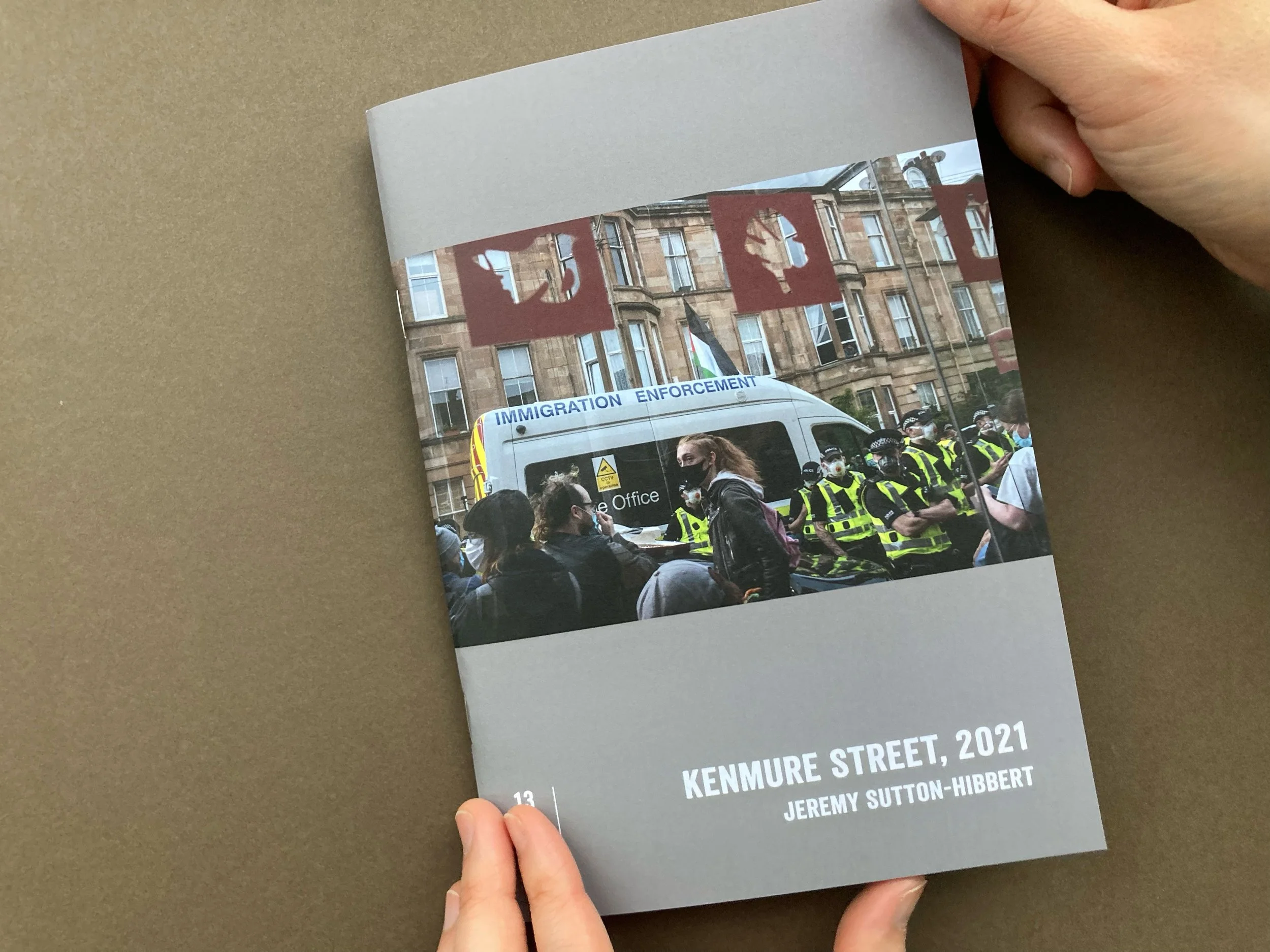 Image 10 of 23
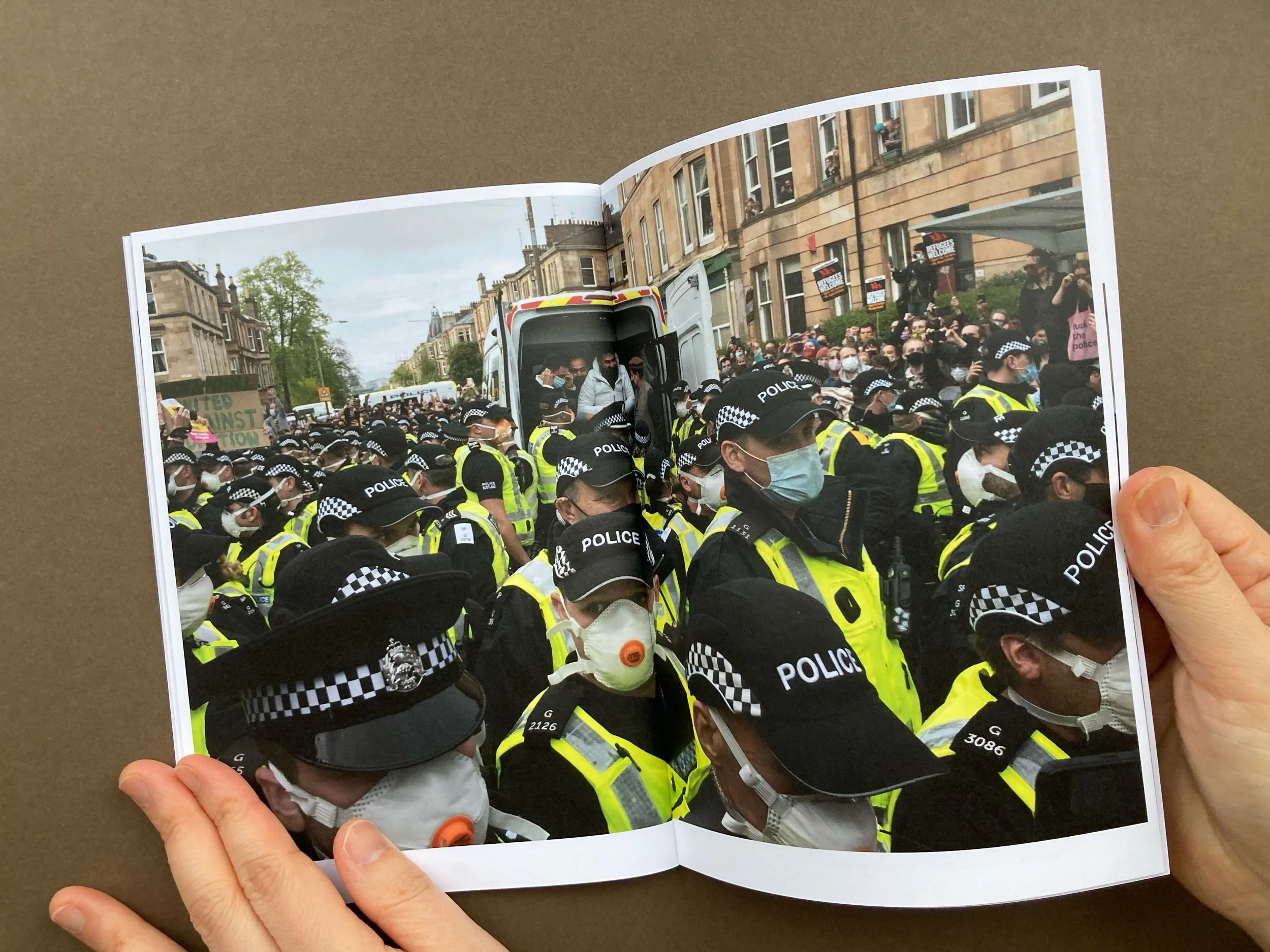 Image 11 of 23
 Image 12 of 23
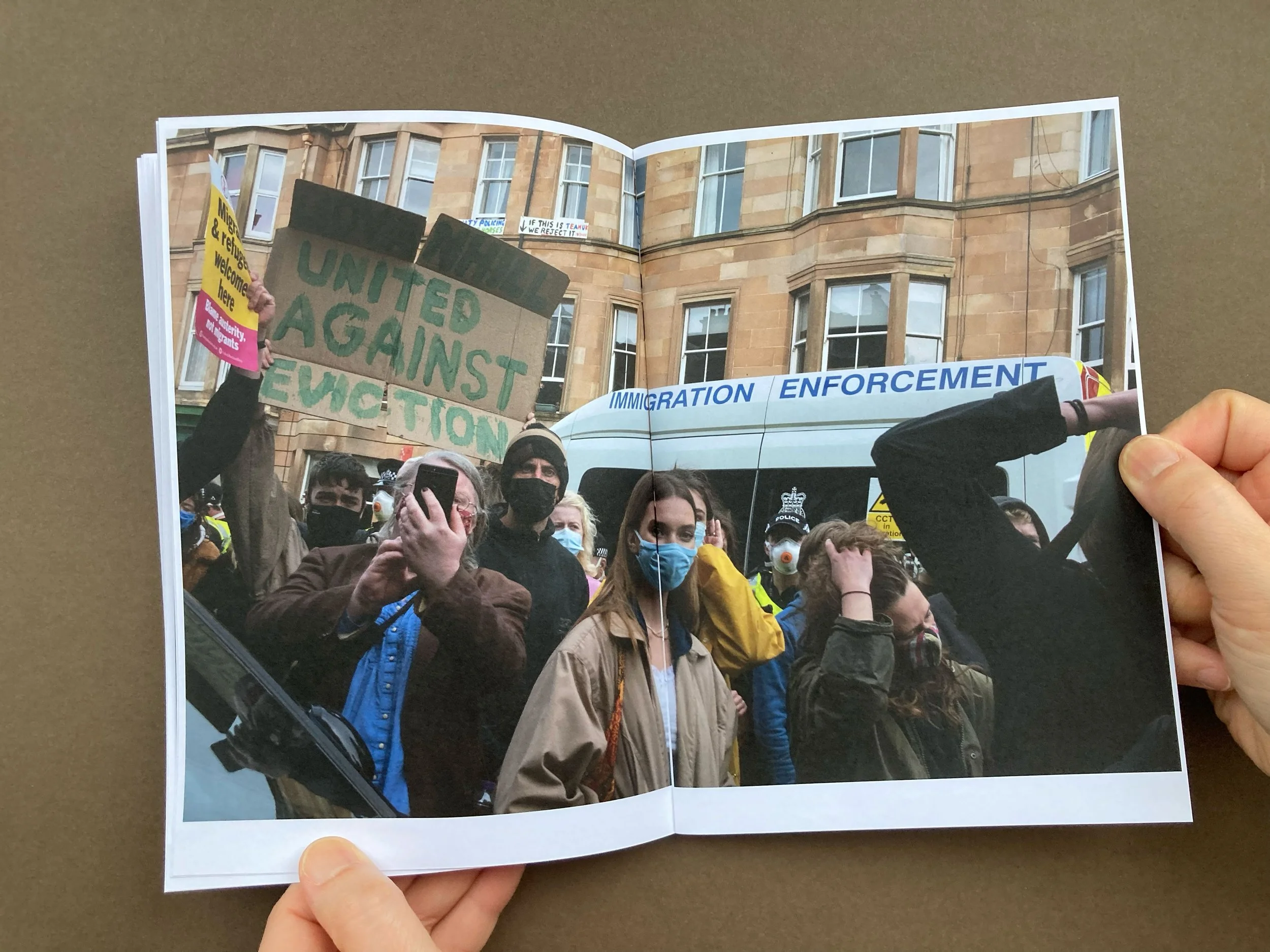 Image 13 of 23
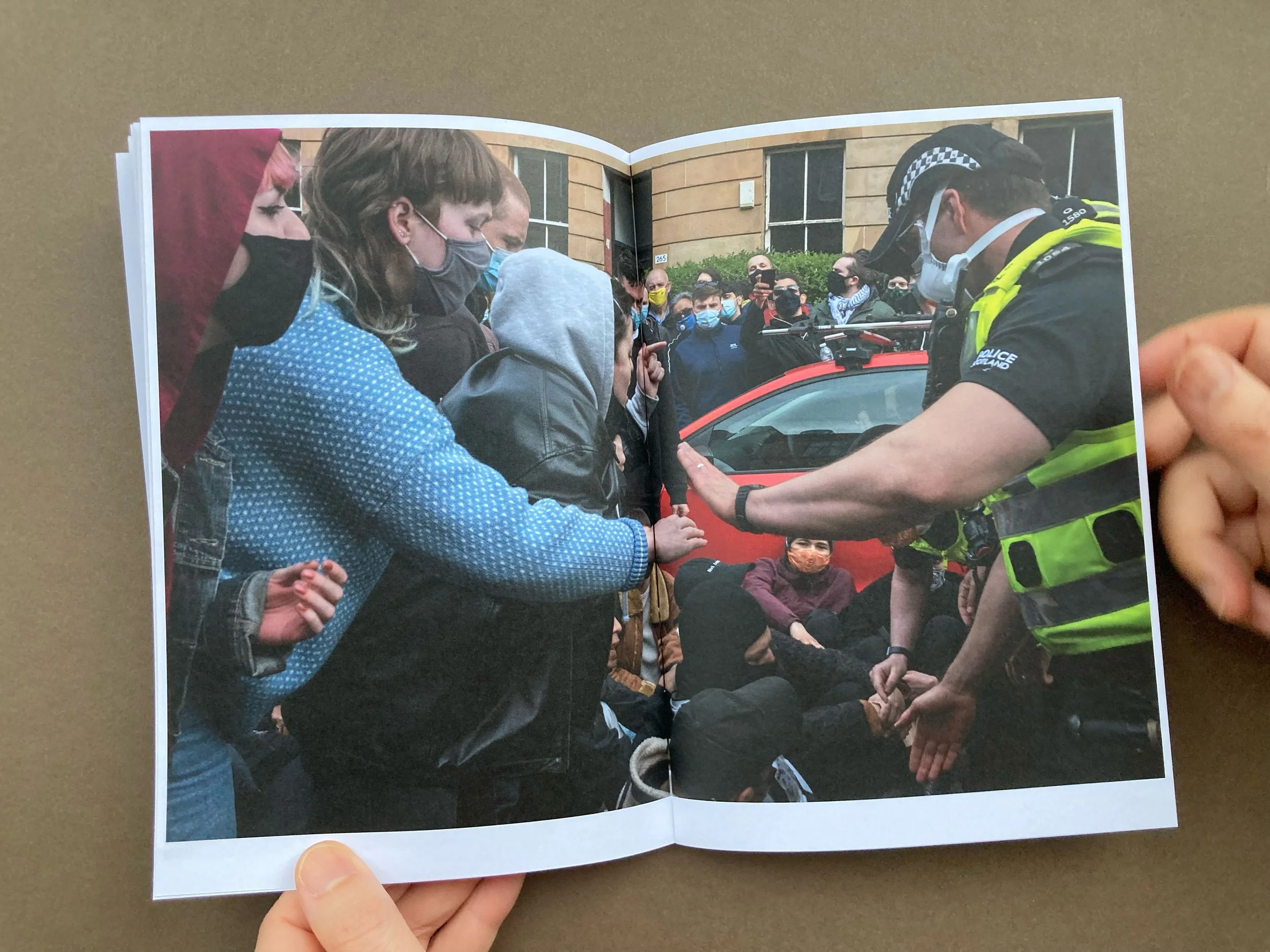 Image 14 of 23
 Image 15 of 23
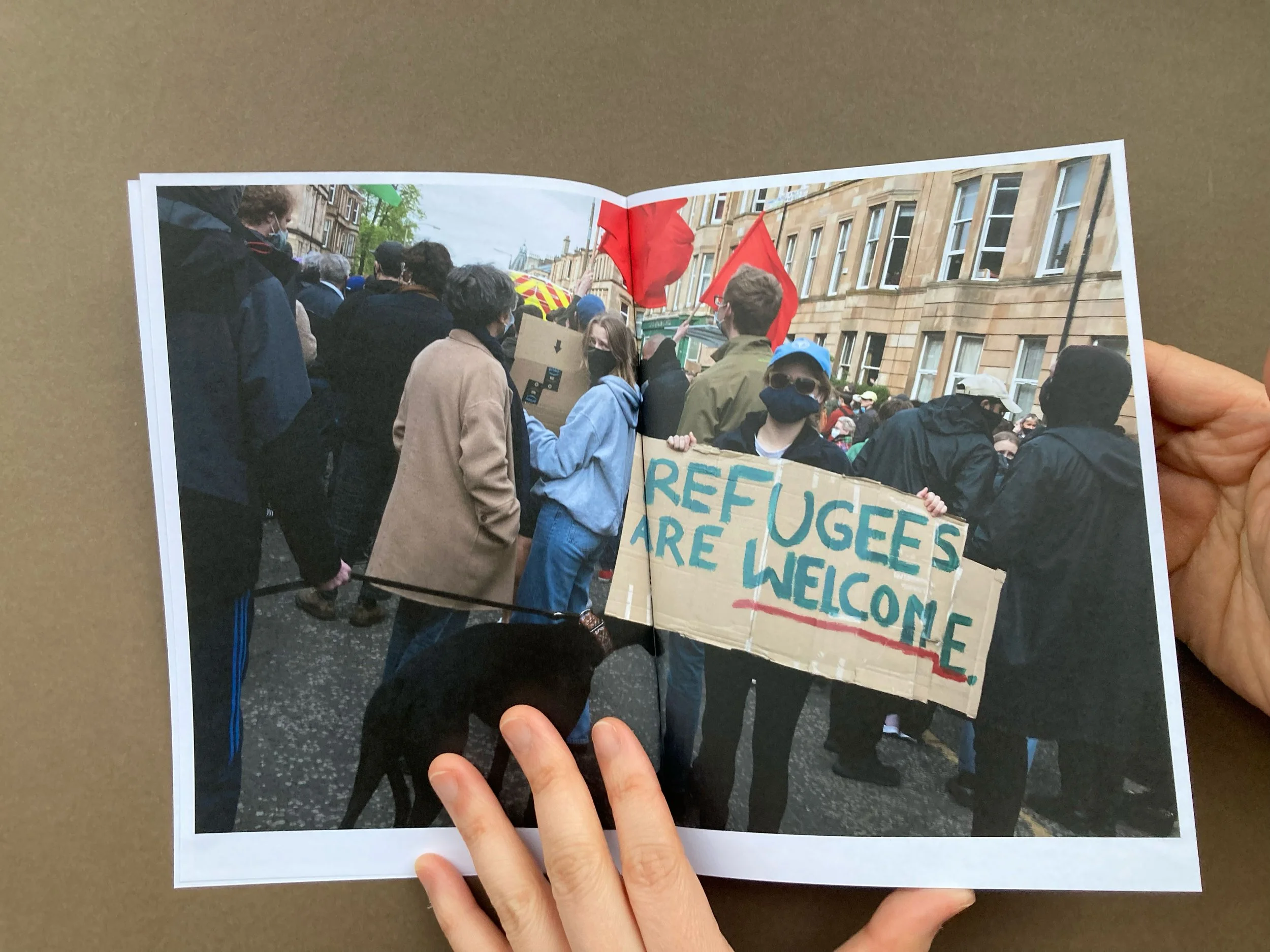 Image 16 of 23
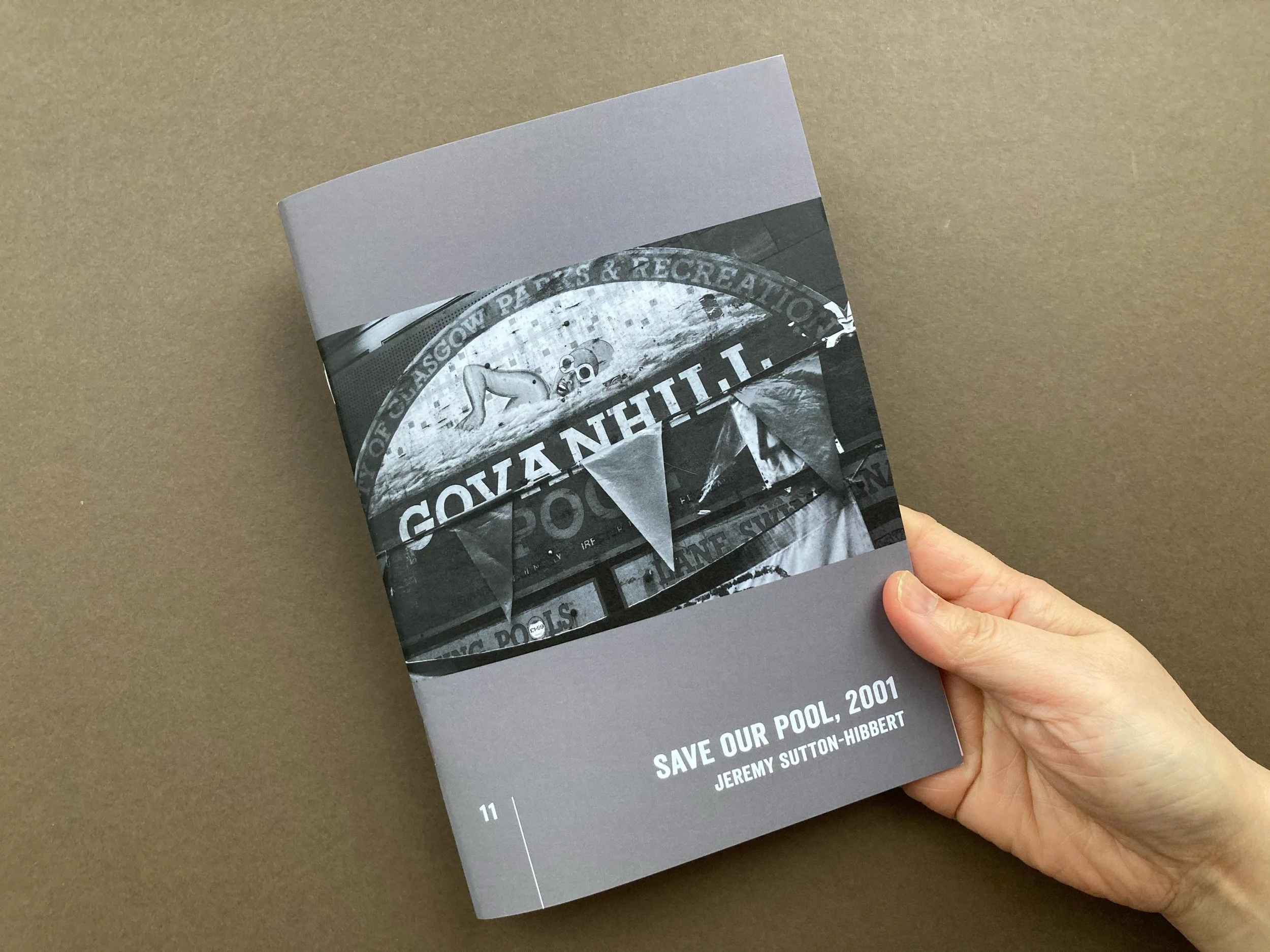 Image 17 of 23
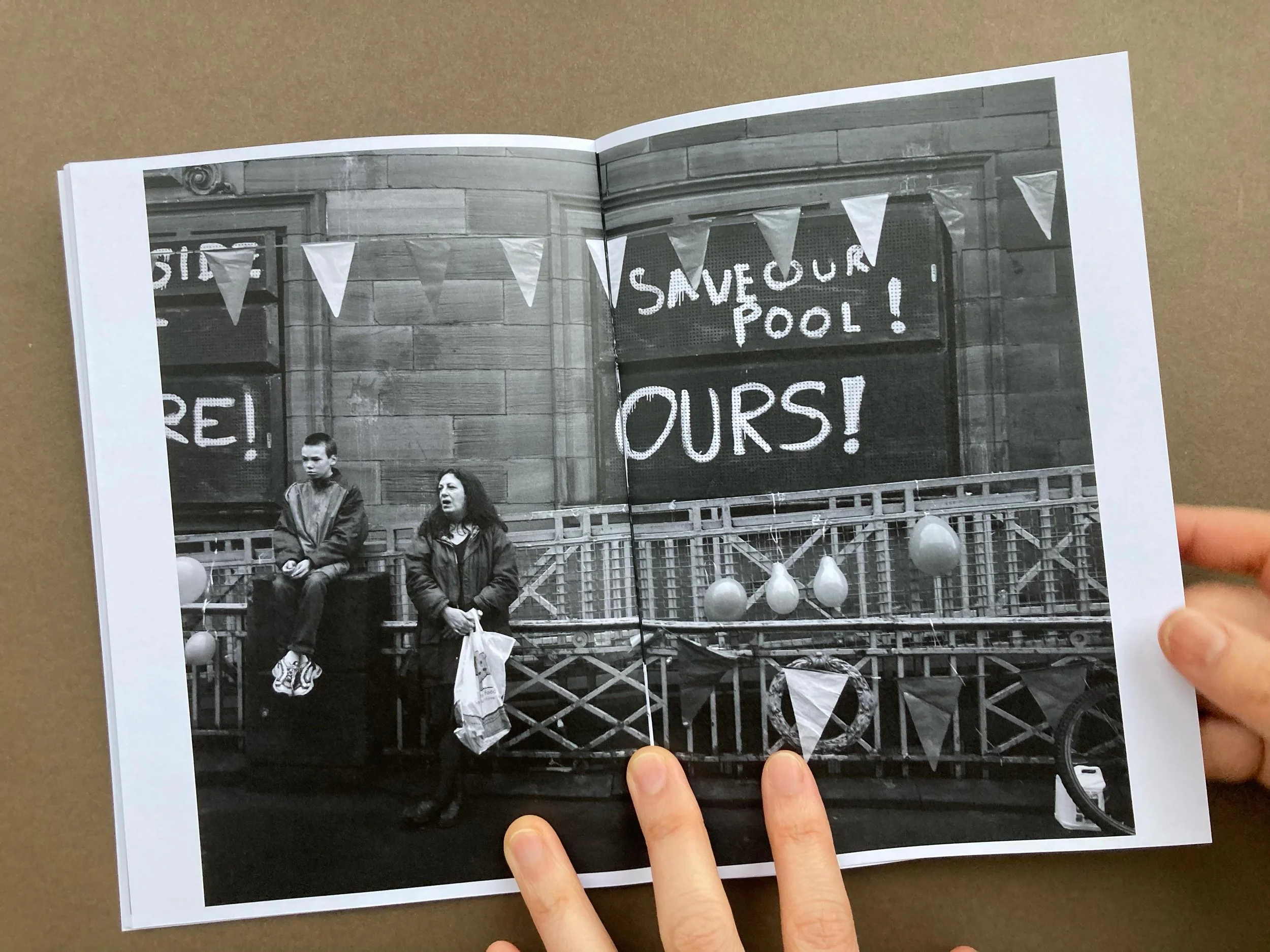 Image 18 of 23
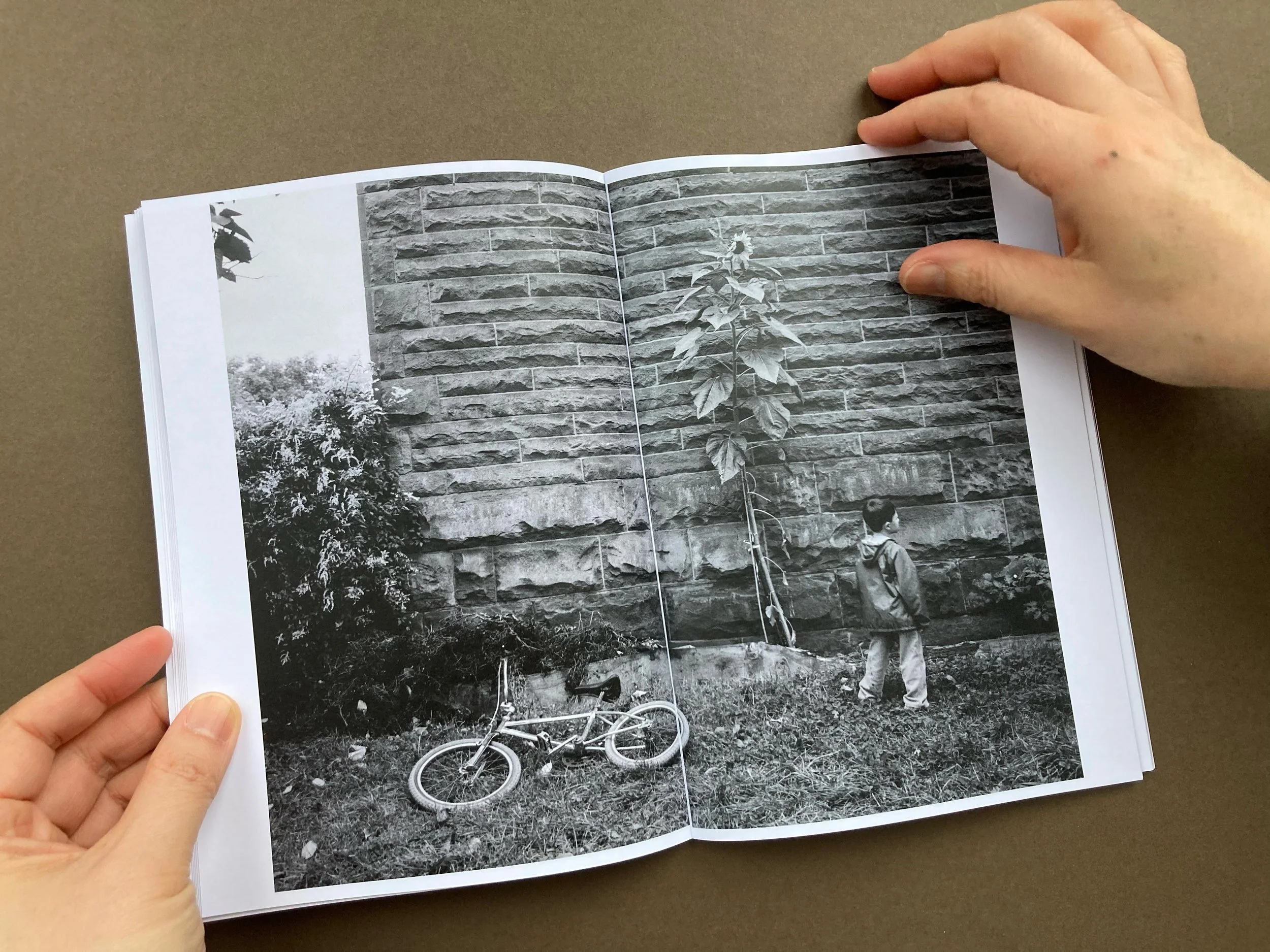 Image 19 of 23
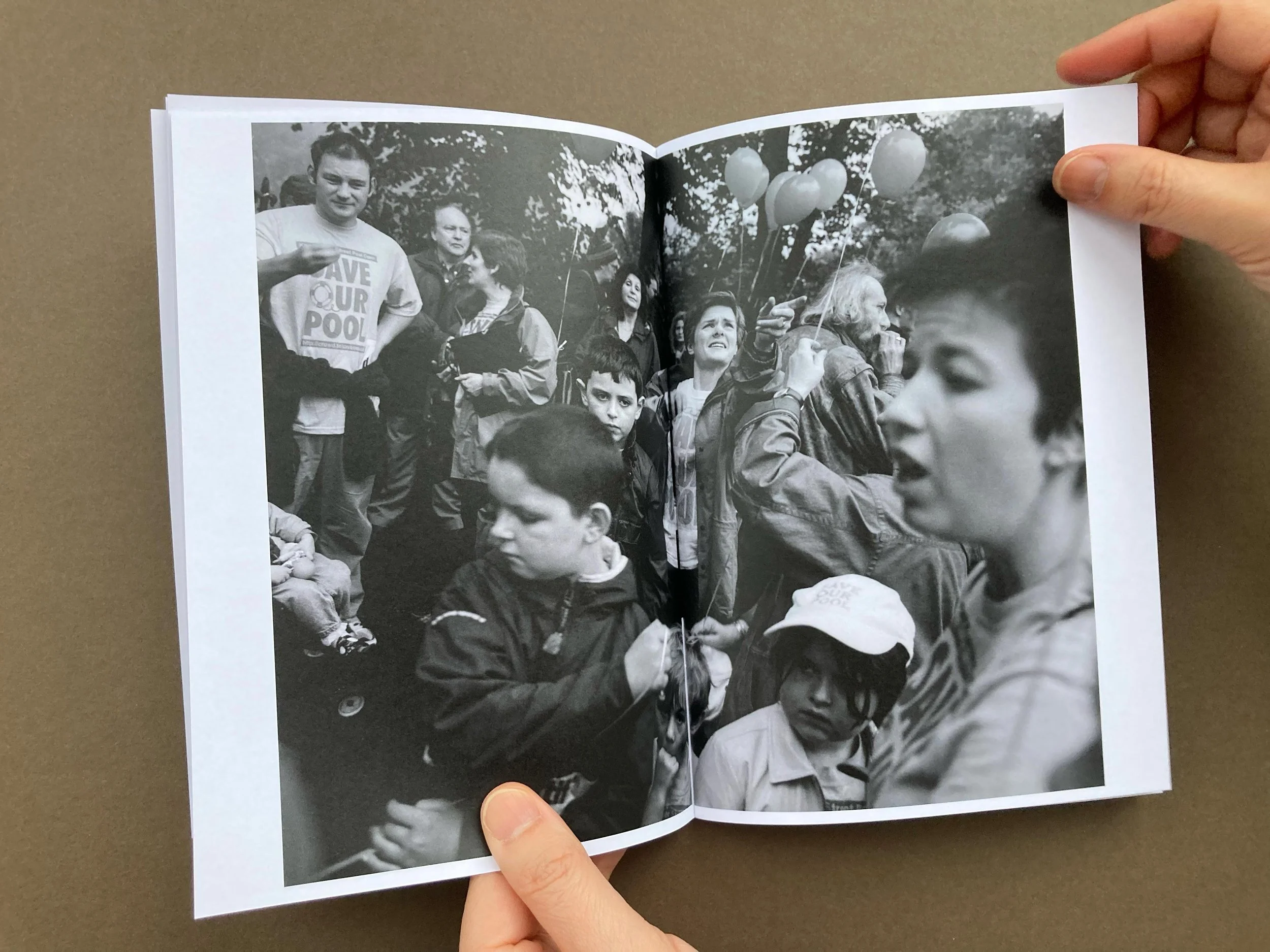 Image 20 of 23
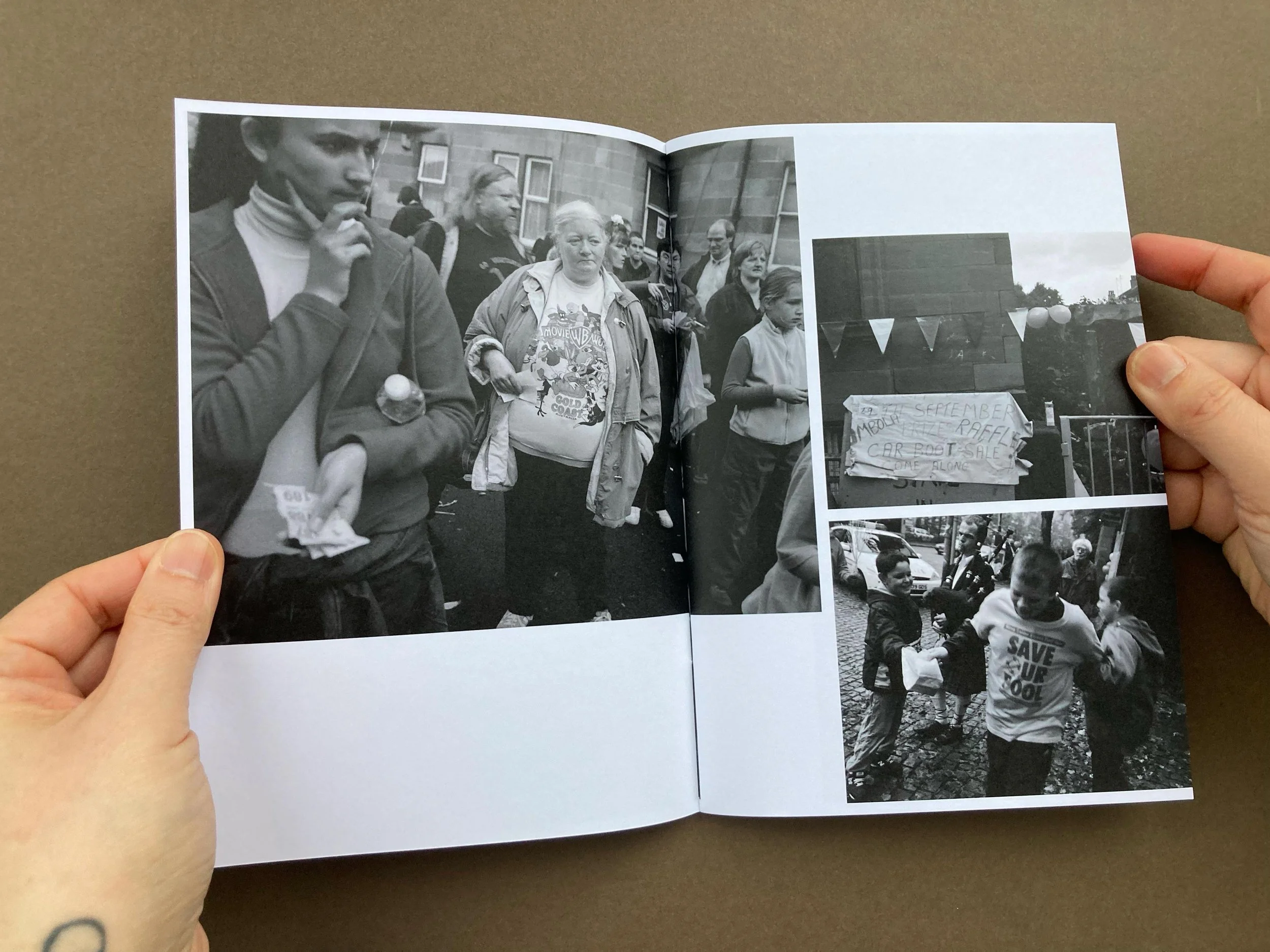 Image 21 of 23
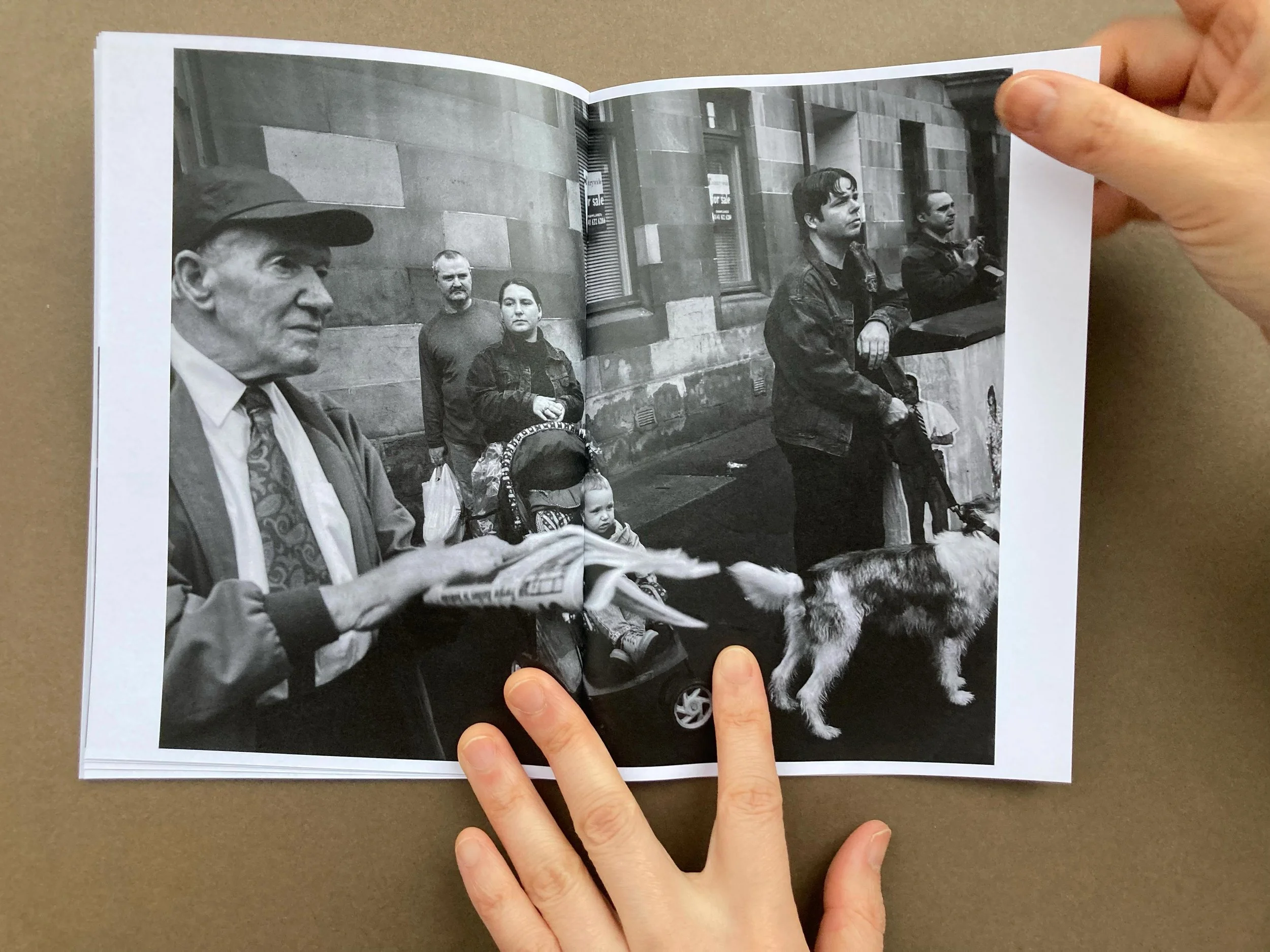 Image 22 of 23
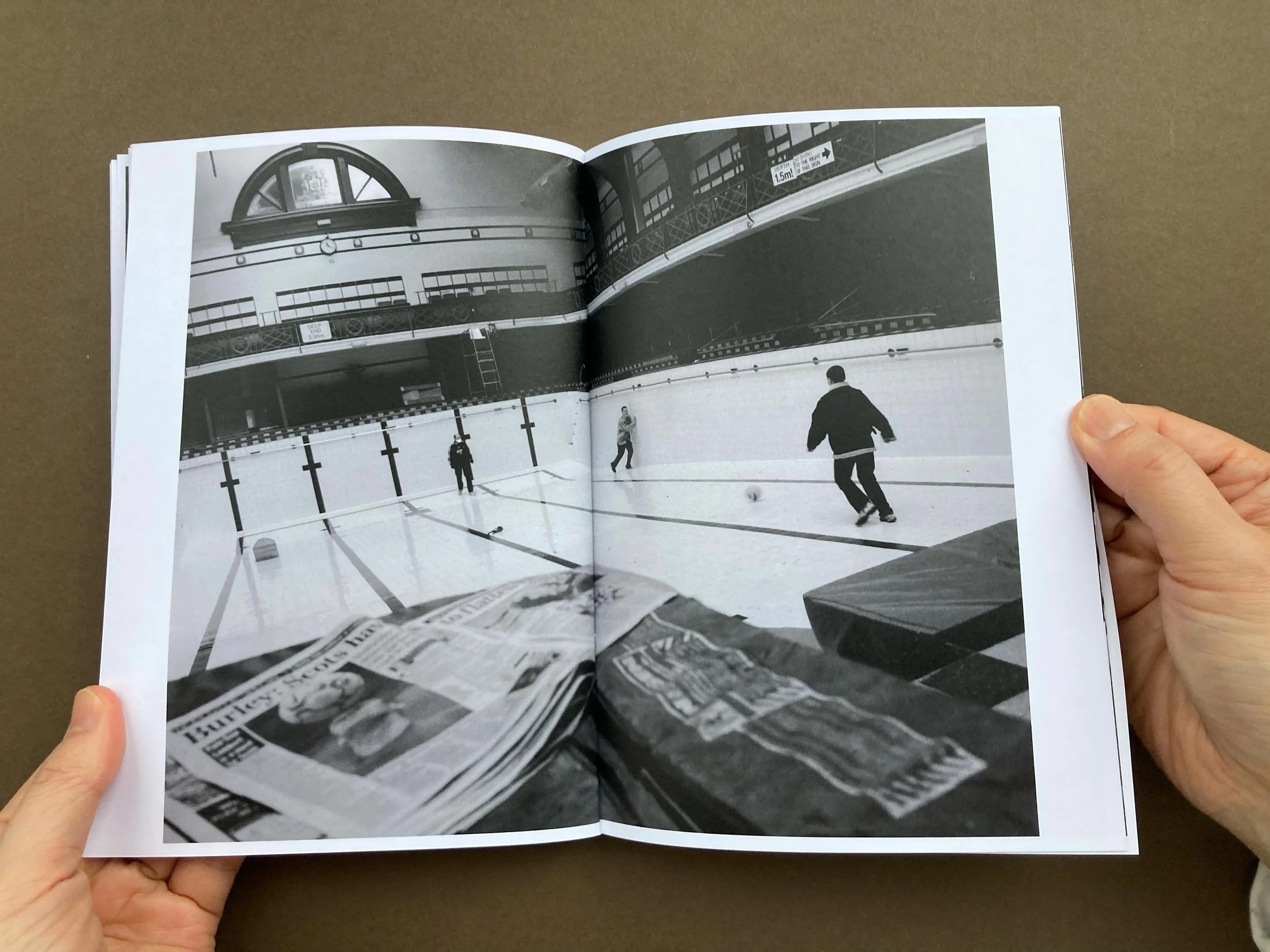 Image 23 of 23